
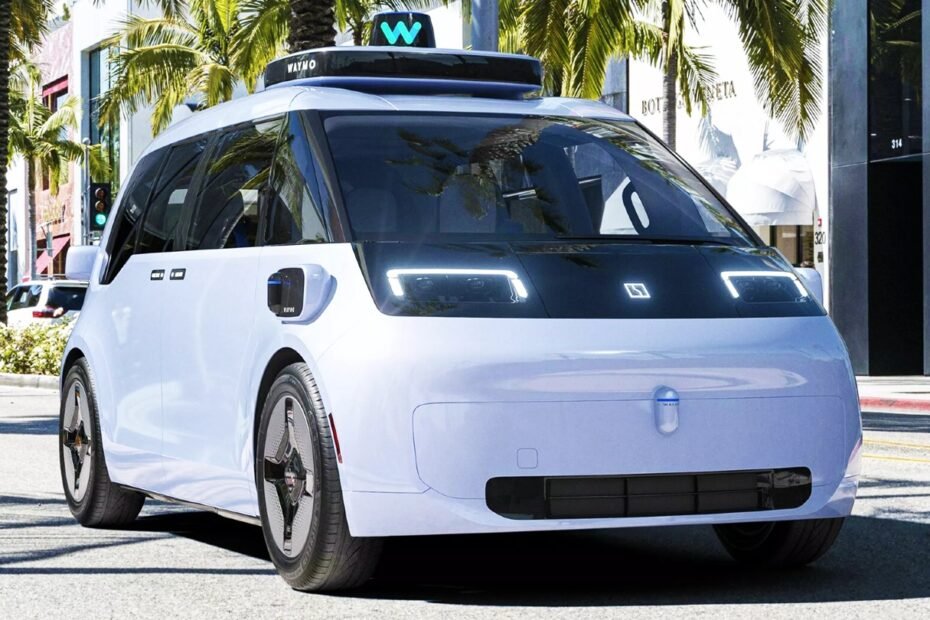
Based on over 350 million kilometers of fully autonomous driving data, Waymo vehicles are involved in only 1/16th the number of serious injury accidents and only 1/14th the number of pedestrian injury accidents caused by human drivers
 By Frank Ulom
·
Published on August 26, 2026
·
2 min read
By Frank Ulom
·
Published on August 26, 2026
·
2 min read
Months after bringing its self-driving Robotaxi to London’s complex urban roads, Waymo has chosen Munich, Germany, as the next stop in its European expansion. Munich will become Waymo’s third overseas market after the UK and Japan, where the company plans to launch its self-driving ride-hailing service.
Waymo disclosed data in an official press release: its existing ride-hailing fleet completes hundreds of thousands of trips per week, primarily operating in U.S. cities. Based on over 350 million kilometers of fully autonomous driving data, its vehicles are involved in only 1/16th the number of serious injury accidents and only 1/14th the number of pedestrian injury accidents caused by human drivers .
Daily Lamp reports that Waymo’s Robotaxi will not be fully autonomous in Munich immediately. Initially, the vehicles will still be driven by humans to conduct road mapping in the area , allowing the autonomous driving system to gradually master Munich’s unique road environment and driving conditions.
Waymo is working with local, state, and federal government agencies to obtain the regulatory approvals required for commercial operation. The company plans to officially launch its commercial ride-hailing service around the end of next year, once it confirms that Robotaxi has sufficient operational capability.
Waymo Co-CEO Tekera Mawkana stated, “Munich is a world-class hub for mobility and engineering, and entering this city is a significant milestone in our global expansion. Earning the trust of the local community is our top priority before launching the service. We look forward to investing in local fleet operations, creating highly skilled jobs, and providing safe and reliable services to residents and visitors.”
More than five years ago, Germany passed a law allowing driverless cars to drive on public roads, becoming the first European country to establish such a legal framework. Companies like Volkswagen and Mobileye had previously obtained permits to test autonomous driving in Germany, but most permits only applied to Level 3 autonomous driving; Waymo applied for a Level 4 permit.
