
As a member of the House of Representatives, Akpanke has pursued what could be described as a dual approach to representation, combining Bills, motions and petitions with interventions targeted at education, infrastructure, tourism, security, public accountability and the protection of border communities
 By Frank Ulom
·
Published on August 28, 2026
·
5 min read
By Frank Ulom
·
Published on August 28, 2026
·
5 min read
In Nigeria’s National Assembly, lawmakers are often judged by the number of Bills they sponsor or speeches they make on the floor of the chambers. However, in the Obanliku/Obudu/Bekwarra Federal Constituency of Cross River State, the representation of Hon. Peter Akpanke is increasingly being assessed through a broader measure — legislative engagement combined with direct attention to issues affecting the people.
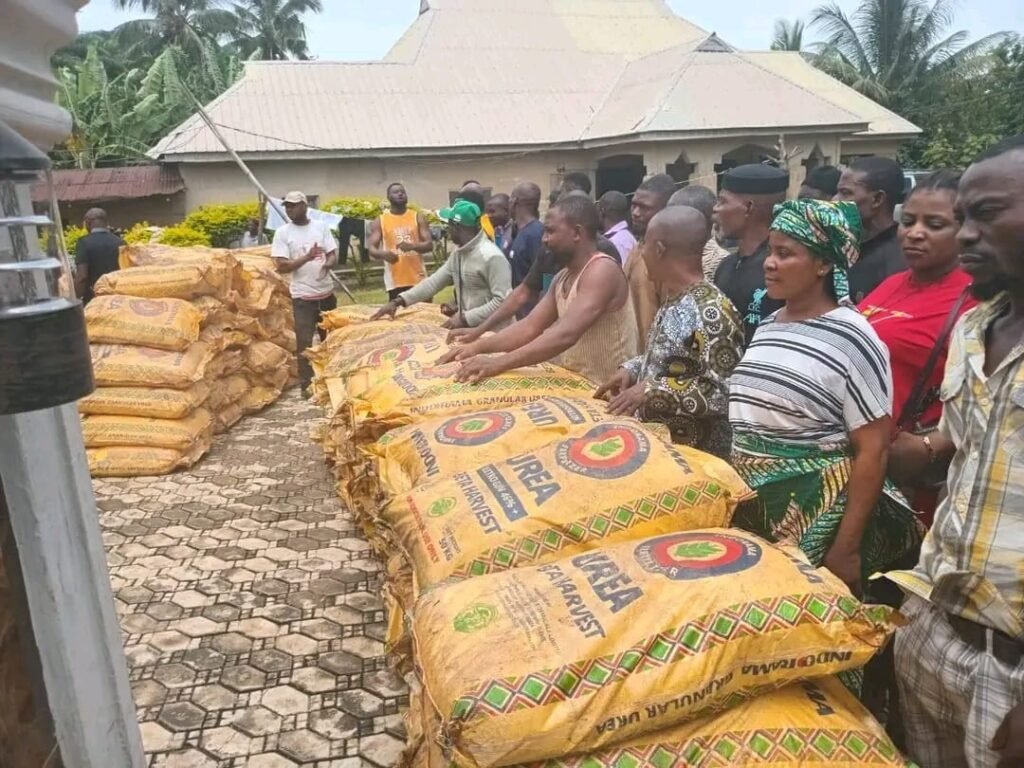
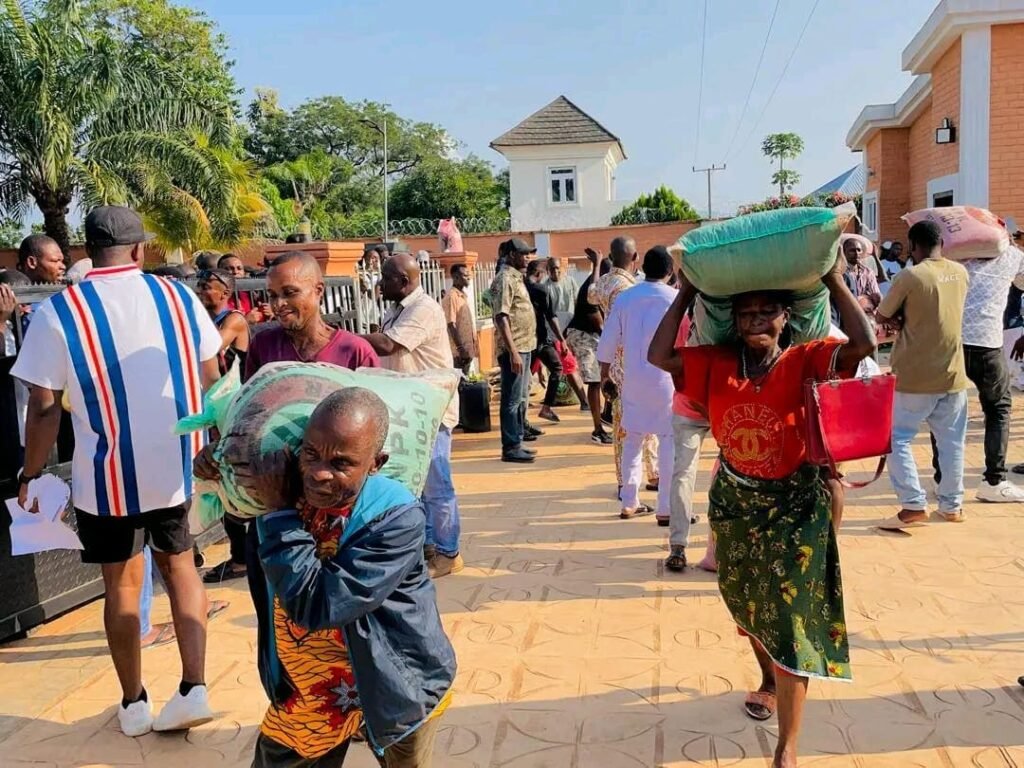
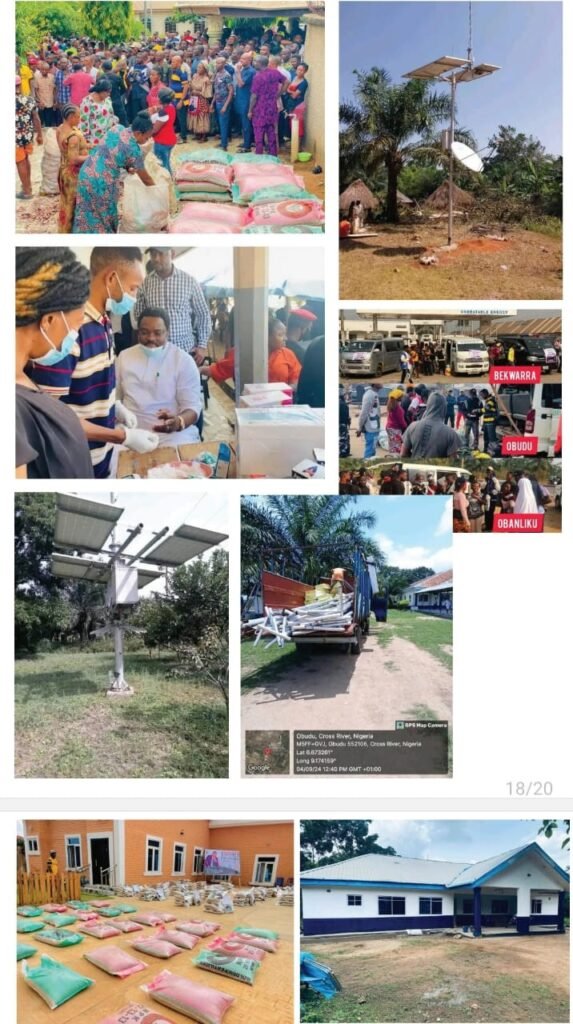
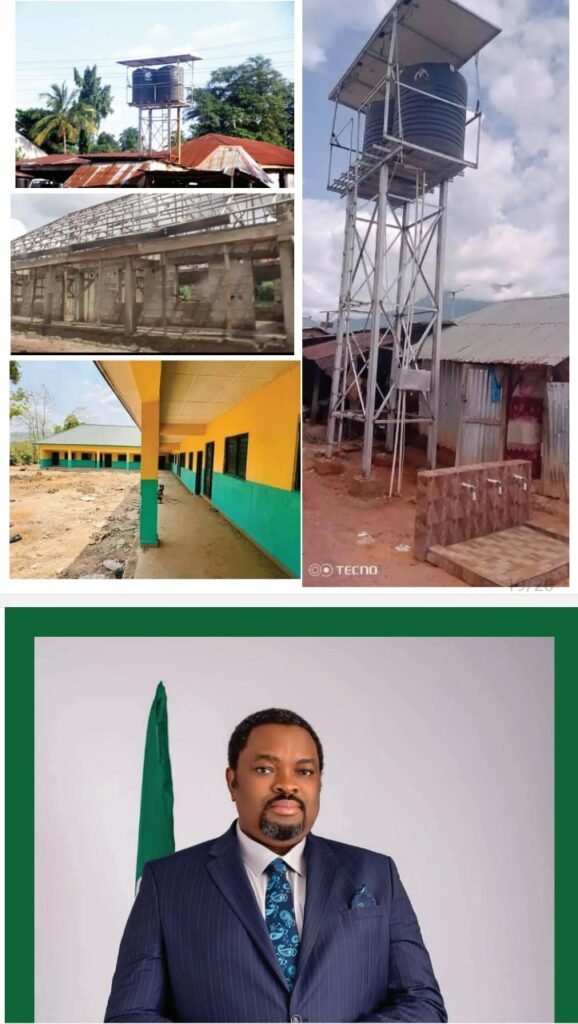
As a member of the House of Representatives, Akpanke has pursued what could be described as a dual approach to representation, combining Bills, motions and petitions with interventions targeted at education, infrastructure, tourism, security, public accountability and the protection of border communities.
The approach reflects a growing argument that effective representation should extend beyond legislative debates in Abuja to issues with practical consequences for constituents.
Federal University of Technology Bill
One of Akpanke’s major legislative initiatives is the proposed Bill for the Establishment of the Federal University of Technology, Obanliku.
The proposed institution addresses a long-standing demand for increased federal presence and specialised educational opportunities in Northern Cross River.
Beyond academic activities, supporters of the proposal believe a federal university could stimulate economic activity across the constituency through employment, local businesses, accommodation, contracts and other services.
A community leader in Obanliku captured the expected impact, saying: “If we get this university, we are not just getting a school. We are getting an economy.”
If established, the institution could also reduce the pressure on young people seeking specialised education outside the state and potentially create new opportunities for academic and non-academic workers.
The proposal places Akpanke’s legislative agenda within a longer-term development framework, with the potential benefits extending beyond his current tenure.
Push for Obudu Dam Resort rehabilitation
Tourism has also featured prominently in Akpanke’s legislative interventions.
The lawmaker moved a motion calling for the rehabilitation of the Obudu Dam Resort, a facility regarded as having significant tourism and economic potential.
The revival of tourism infrastructure could create opportunities for young people, hospitality businesses and communities whose economies depend directly or indirectly on visitors.
For a constituency with major tourism assets, the intervention reflects the need to restore facilities capable of supporting jobs and economic activity.
The effectiveness of the intervention will, however, ultimately depend on the implementation of government policies and decisions arising from the legislative process.
Defending Cross River’s border communities
Border and territorial concerns have also been among Akpanke’s major priorities.
He co-sponsored motions addressing the potential loss of Cross River territory to Cameroon and concerns surrounding the demarcation of boundaries and the possible ceding of the Danare and Biajua communities.
The interventions drew attention to communities facing uncertainty over territorial boundaries and the implications for residents.
For border communities, territorial disputes are not merely matters of maps and diplomacy. They affect ancestral homes, livelihoods, land ownership and the security of families.
By raising the matters at the National Assembly, Akpanke brought the concerns of affected Cross River communities into federal legislative discussions.
The interventions underscored the importance of ensuring that communities affected by boundary and international demarcation processes are adequately protected.
UNICAL students and campus security
Akpanke has also used legislative instruments to address issues affecting students of the University of Calabar.
He submitted a petition on behalf of students who were reportedly unjustly withdrawn from the institution and also supported efforts to address kidnapping concerns around the university environment.
For families across Obanliku, Obudu and Bekwarra who have children studying at the University of Calabar, issues affecting students and security are of direct importance.
The interventions demonstrate another dimension of representation — using parliamentary mechanisms to seek redress for individuals and groups facing perceived injustice.
Demanding transparency in public procurement
Akpanke also moved a motion concerning the indiscriminate issuance of Certificates of No Objection, drawing attention to procurement processes and the need for accountability.
The intervention required the Bureau of Public Procurement to respond to concerns raised over the process.
Public procurement remains one of the critical areas through which government resources are deployed, making transparency and due process essential to protecting public funds.
The motion sought to challenge alleged loopholes and strengthen scrutiny over how government contracts are processed and awarded.
Beyond legislative statistics
As the 10th National Assembly continues its work, attention will increasingly focus on the outcome of the legislative initiatives championed by Akpanke and other lawmakers.
Key questions remain over whether the proposed Federal University of Technology, Obanliku, will scale through the legislative process, whether the Obudu Dam Resort will receive the required intervention, and whether concerns surrounding border communities will result in stronger protection for affected residents.
The true test of representation will also rest on implementation and measurable outcomes.
Bills must become laws and, where necessary, institutions. Motions must translate into executive action. Petitions must produce fair consideration and, where justified, remedies.
For Akpanke, however, his interventions so far present an approach to representation that goes beyond participation in parliamentary proceedings.
From education and tourism to territorial integrity, public accountability, student welfare and security, the issues raised touch directly on the everyday concerns of the people of Obanliku, Obudu and Bekwarra.
The emerging picture is that of a lawmaker seeking to connect legislative responsibility in Abuja with the practical needs of his constituents at home.
As the current Assembly progresses, the ultimate measure of that approach will be in results — schools, protected communities, stronger institutions, improved infrastructure, jobs and economic opportunities.
For the people of Cross River North, representation is increasingly being defined not only by what is said on the floor of the National Assembly, but by whether legislative action makes a difference in the lives of the people.