
The Communications Officer, of NTCA, Mr Emmanuel Onwuka made the call in an interview.
 By Christian Njoku
·
Published on September 30, 2026
·
3 min read
By Christian Njoku
·
Published on September 30, 2026
·
3 min read
The Nigeria Tobacco Control Alliance (NTCA) has urged governments at all levels to reject tobacco industry-linked development initiatives that could influence public policy decisions.
The Communications Officer, of NTCA, Mr Emmanuel Onwuka made the call in an interview with the News Agency of Nigeria (NAN), highlighting concerns over corporate social responsibilities (CSR) sponsored by tobacco companies and their foundations across Nigeria.
Onwuka alleged that one of the major tobacco companies in Nigeria had reportedly implemented more than 300 community projects, empowering 300,000 farmers, planting 500,000 trees and constructing 105 solar-powered boreholes nationwide.
He also alleged that the tobacco companies through their foundations have reportedly reached about 1.7 million beneficiaries and invested about N4 billion in community development.
He however noted that such interventions could portray tobacco companies as important development partners.
He cited Article 5.3 of the World Health Organisation (WHO) Framework Convention on Tobacco Control, which requires governments to protect tobacco-control policies from commercial interests of tobacco companies.
“Nigeria ratified the WHO Framework Convention on Tobacco Control in 2005, while its implementation guidelines call for denormalising and regulating tobacco industry activities presented as socially responsible,” he said.
According to Onwuka, the Tobacco Industry Interference Index 2025 identified tobacco-related CSR activities in Nigeria as a strategy capable of creating legitimacy and facilitating access to policymakers.
He said projects involving water, agriculture, education and entrepreneurship had been implemented in Lagos, Oyo and other states, sometimes involving government ministries, agencies and local authorities.
“Public endorsement of tobacco industry-sponsored projects by government officials could undermine Article 5.3, which seeks to prevent commercial interests from interfering with tobacco-control policies and measures.
“The public health consequences of tobacco use should not be overlooked because communities receive boreholes, agricultural support, grants or other development interventions from tobacco-linked organisations,” he asserted.
He said that available data shows that smoking has been associated with about 29,000 deaths annually in Nigeria, while tobacco-related illness also contributes significantly to healthcare costs and productivity losses.
Onwuka said the situation meant Nigerian families could lose parents, spouses and siblings prematurely, while affected households also face medical expenses, reduced incomes and diminished economic opportunities.
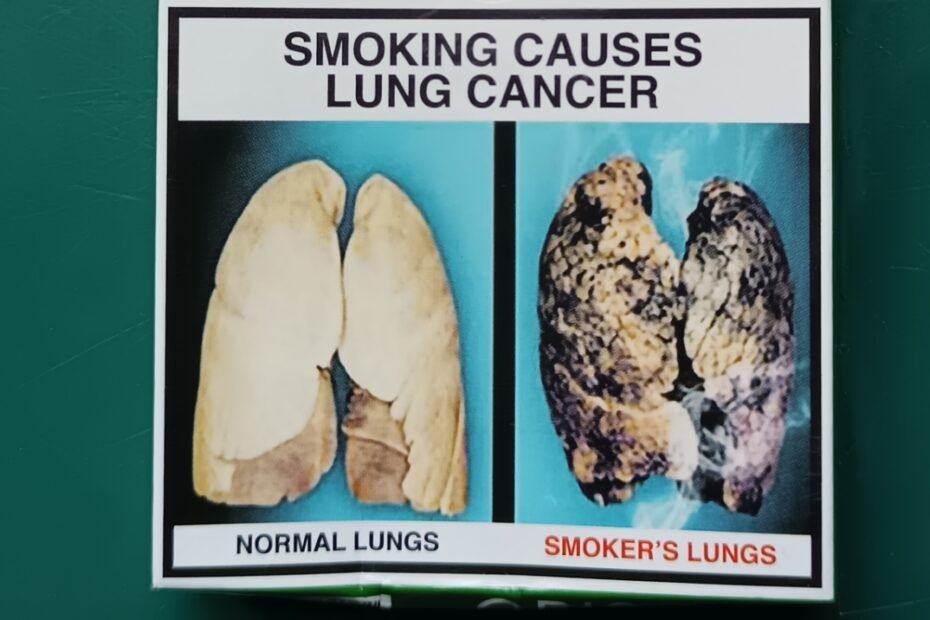
He urged government to strengthen tobacco-control measures through increased taxation, larger health warnings, comprehensive marketing restrictions, smoke-free environments and stronger protection of children and young people.
He called on youths, farmers, students and policymakers to critically examine tobacco-linked philanthropy, saying Nigeria should protect public health while ensuring development initiatives do not compromise tobacco-control objectives.
