
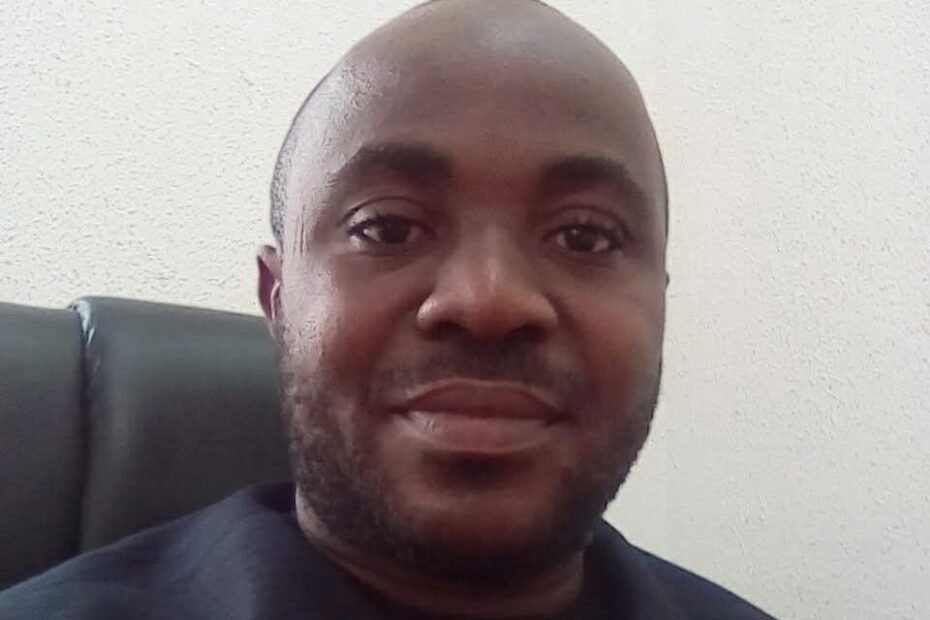
Anyanwu Benjamin Ihedioha has applied for international protection in Spain, and his life depends on it.
 By Frank Ulom
·
Published on July 18, 2026
·
8 min read
By Frank Ulom
·
Published on July 18, 2026
·
8 min read
A Nigerian national, Anyanwu Benjamin Ihedioha, has applied for international protection in Spain, alleging that he fled Nigeria after suffering years of persecution, violence and discrimination because of his sexual orientation.
In a detailed statement submitted as part of his asylum application, Ihedioha said he fears returning to Nigeria, claiming he faces threats to his life after being attacked, ostracised by his community and permanently banished by traditional authorities.
According to the applicant, he is an indigene of Chokoneze in Ezinihitte Mbaise Local Government Area of Imo State. He stated that he realised he was homosexual while in senior secondary school at the age of 17 but kept his sexual orientation secret because of widespread social stigma, cultural rejection and Nigeria’s laws criminalising same-sex relationships.
Below is the full statement:
“My name is Anyanwu Benjamin Ihedioha. I am a citizen of Nigeria and a native of Chokoneze, Ezinihitte Mbaise Local Government Area of Imo State, Nigeria.
I am seeking international protection because I fear returning to Nigeria due to persecution on account of my sexual orientation. I am a homosexual, and because my sexual orientation became known, I have been subjected to violence, threats, rejection, banishment from my community, and a continuous fear for my life.
I discovered that I was homosexual when I was about 17 years old while I was in senior secondary school. At first, I was frightened, confused, and deeply depressed because I knew that same-sex relationships were regarded as taboo in my culture and were also prohibited under Nigerian law. I understood that revealing my sexual orientation could expose me to rejection, violence, and prosecution.
For a long time, I struggled alone with these feelings until I finally confided in one of my classmates. He told me that he was also gay and introduced me to other young men who were facing the same situation. Meeting them brought me great relief because, for the first time, I was able to express my true feelings to people who understood me.
We kept our sexual orientation completely secret because we all knew the consequences if we were discovered. Later, we gained admission to the same university. Since the male students lived together in shared accommodation, we were able to maintain our relationships discreetly without attracting suspicion.
After graduation and completing the National Youth Service Corps (NYSC), life became much more difficult. We had to begin independent adult lives, and it became increasingly difficult to hide my sexual orientation. Some people, including members of my extended family, became suspicious because I remained unmarried and because of rumours about my lifestyle. To avoid being exposed, I moved between different states in Nigeria, hoping to conceal my identity. Unfortunately, this did not stop people from confronting me and making accusations about my relationships with other men.
In January 2023, after travelling home for the Christmas and New Year celebrations, I stayed with my partner in a local guest house on the outskirts of Owerri. While we were there, we were violently attacked after our relationship was discovered. During the attack, I sustained serious injuries that left permanent scars on my body and severe keloids on my neck and jawline, which continue to affect me physically and psychologically. My partner suffered machete wounds but managed to escape. Since that day, I have never seen or heard from him again, and I do not know what became of him.
News of the attack spread quickly, exposing my sexual orientation to many people in my community and beyond. From that moment, I lived in constant fear because I believed I could be attacked again at any time.
In August 2023, my father died after suffering from poor health. Instead of receiving sympathy, some of my relatives blamed me for his death. They claimed that the shame caused by the news of my sexual orientation and the attack had worsened his already fragile health. These accusations increased the hostility against me and made me fear even more for my safety.
Immediately after my father’s funeral, I fled my community because I believed I was in imminent danger. Shortly afterwards, a respected elder in my family informed me that the traditional rulers and youth leaders of my community had decided to banish me permanently and that I should never return. I wanted to go back and plead with the community leaders, but the family elder strongly warned me not to do so because he believed I could lose my life if I returned. Later, another member of my family sent me by email a copy of the decision issued by the traditional elders and youth leaders confirming my banishment.
Because of the hostility and discrimination I experienced, I found it very difficult to maintain stable employment. The constant fear of being identified and persecuted affected my ability to keep a job. To survive financially, I eventually began using my personal car as a taxi.
While living in Enugu, I met a single mother of two children who assisted me financially during a very difficult period of my life. We developed a close friendship based on mutual trust and understanding. I explained the persecution and difficulties I had experienced because of my sexual orientation. She understood my situation and agreed to enter into a traditional marriage with me. This was not a romantic relationship but a mutual arrangement intended to help protect me from the growing suspicion and hostility I was facing because of my sexual orientation.
I hoped that being seen as a married man would reduce the suspicions surrounding me and allow me to live a safer life. Unfortunately, this did not happen. The rumours and suspicions about my sexual orientation continued despite the marriage. People still questioned my wife about my private life, and I realised that I remained in serious danger. The marriage could not erase what people already believed about me or protect me from those who wanted to harm me.
As the threats continued, I was constantly forced to move from one place to another because I no longer felt safe anywhere. I feared being recognised, reported, or attacked because my sexual orientation had become known.
I finally made the painful decision to leave Nigeria because I believed my life was in immediate danger. The widespread insecurity, kidnappings, and lawlessness in the country made it impossible for me to live safely while constantly hiding from those who wanted to harm me because of my sexual orientation.
I entered Europe legally with a valid Spanish tourist visa and first arrived in Spain. However, because I was suffering from severe psychological trauma caused by the persecution I had experienced in Nigeria, together with the pain and discomfort from the infected keloids resulting from the attack against me, I travelled to France. At that time, I did not understand the European asylum system or the Dublin Regulation. During that journey, I lost my passport. When the French authorities later explained the Dublin procedure to me, I immediately expressed my willingness to return to Spain and continue my application for international protection. I fully cooperated with the authorities throughout the transfer process.
Following the Dublin transfer, I returned to Spain to continue my application for international protection, in full cooperation with the authorities. I have complied with the procedures and respectfully seek the protection of the Spanish authorities because I have nowhere else to turn.
I remain afraid of returning to Nigeria because the threats against me have not ended. My community has banished me, my sexual orientation has been exposed, and I fear that I could be attacked, imprisoned, or killed if I am forced to return. I do not believe that I can obtain effective protection from the Nigerian authorities, and I do not believe there is any part of Nigeria where I can live safely without fear of persecution because my situation has already become known.
I have documents supporting important parts of my account, including the decision of the traditional elders and youth leaders banishing me from my community, a newspaper publication concerning my case, photographs showing my injuries before and after the attack, including the permanent keloids caused by the assault, and other documents relating to the consequences I suffered.
I respectfully ask the Spanish authorities to grant me international protection. I have lost my safety, my home, and my ability to live freely in my own country. Returning to Nigeria would place my life and freedom at serious risk because of my sexual orientation and the persecution I have already suffered.”
Spanish authorities have not publicly commented on the application, and asylum claims are assessed individually under Spanish and international refugee protection laws.
Daily Lamp reports that Nigeria’s Same Sex Marriage (Prohibition) Act, enacted in 2014, criminalises same-sex marriages and civil unions, while same-sex sexual relationships remain punishable under existing criminal laws in parts of the country. Human rights organisations have repeatedly raised concerns about discrimination, violence and social exclusion experienced by LGBTQ+ individuals in Nigeria, while Nigerian authorities maintain that the country’s laws reflect prevailing legal and cultural values.
