
For the purpose of this piece, however, I will use “classroom” to mean the entire process that enables us to acquire certificates through formal education.
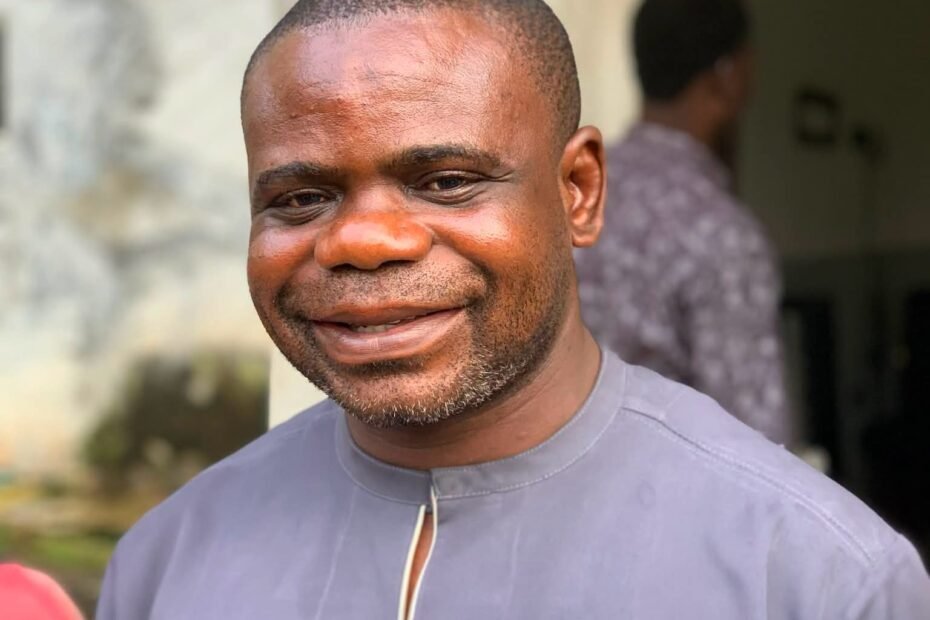
 By Elijah Ugani
·
Published on September 21, 2026
·
4 min read
By Elijah Ugani
·
Published on September 21, 2026
·
4 min read
We have placed so much emphasis on certificates that skills and craftsmanship may gradually become extinct.
I know what you understand by “classroom,” and I may not be referring to your exact definition or understanding of the word. For the purpose of this piece, however, I will use “classroom” to mean the entire process that enables us to acquire certificates through formal education.
As toddlers who eventually completed secondary education, we were sent to school with little or no understanding of the challenges that awaited us in society. This was particularly true because many of our parents were predominantly peasant farmers. Our parents encouraged us to go to school because they never had the opportunity to receive formal education. All they wanted was for us to have what they did not have: an education.
However, they did not necessarily see the need for us to acquire practical skills or develop those skills alongside our education. At the time, many of the skills available to young people were either not considered financially viable or were regarded as mundane. Consequently, they saw little reason to enroll us in apprenticeships or vocational training while we were in school.
As humble as we were, we saw the opportunity to attend school primarily as an opportunity to acquire knowledge, not merely to obtain certificates.
Today, with the rise of internet fraud and the growing overdependence on certificates, many young people appear to place greater emphasis on obtaining certificates than on acquiring knowledge and practical competence.
Unfortunately, the current economic situation and our policy environment do not always make the acquisition of certificates a guarantee of meaningful employment or economic independence.
If we had the opportunity and the knowledge we have today, many of us would have learned trades and acquired practical skills that could have positioned us better for the demands of the 21st-century economy.
There is, however, an important advantage to being educated and certified alongside possessing practical skills: education can bring structure, confidence, professionalism and a certain level of sophistication to the way one applies those skills and conducts business.
Visit many workshops and small businesses today, and you will notice that apprentices are becoming increasingly difficult to find. Shop owners and artisans frequently complain that young people who come to learn are more interested in pressing their phones (internet fraud) than in learning the trade. The consequence is troubling. Very soon, we may not only have to pay more for certain services; we may also struggle to find sufficiently skilled people to provide them.
I know the number of young people I have encouraged to learn a skill while pursuing their education. Yet, trust me, many of them will tell you, “I just want to finish school, get my certificate and get a job.” A few, however, took the advice seriously. Today, they are doing remarkably well.
This is why, while I commend the efforts made toward establishing technical schools in Cross River State, I am concerned about their effectiveness and, perhaps more importantly, about the level of sensitisation among young people and parents regarding the value of technical education and skill acquisition. We need to change the way we think about education. A certificate should not be the end product of education. Knowledge, competence, creativity, craftsmanship and the ability to solve real-world problems should matter just as much.
The reality of today’s economy demands that our undergraduates and school leavers think beyond certificates. They should be encouraged to acquire practical skills alongside their formal education. We must begin to raise a generation that can both read a certificate and create value with their hands.
The opportunity I never had is one I hope today’s young people will have: the opportunity to leave school not only with a certificate, but also with a skill, a craft and the confidence to create a livelihood from what they know and can do.
Elijah Ugani
Public Affairs Analyst and Commentator
Community Mobilzer and Social Change Agent
He writes from the Hills of Ukwortung
