
“I started as a bus conductor,” says Chief Executive Officer of Transit Favour Company
 By Julius Nsikak
·
Published on June 27, 2026
·
5 min read
By Julius Nsikak
·
Published on June 27, 2026
·
5 min read
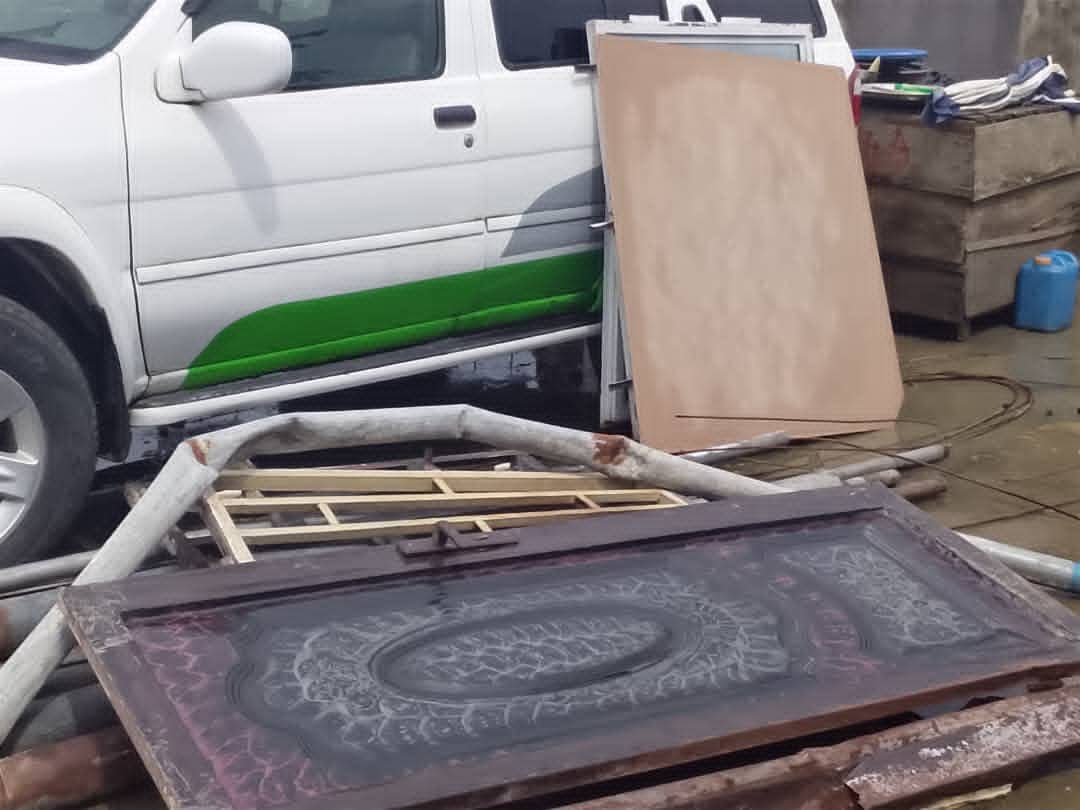
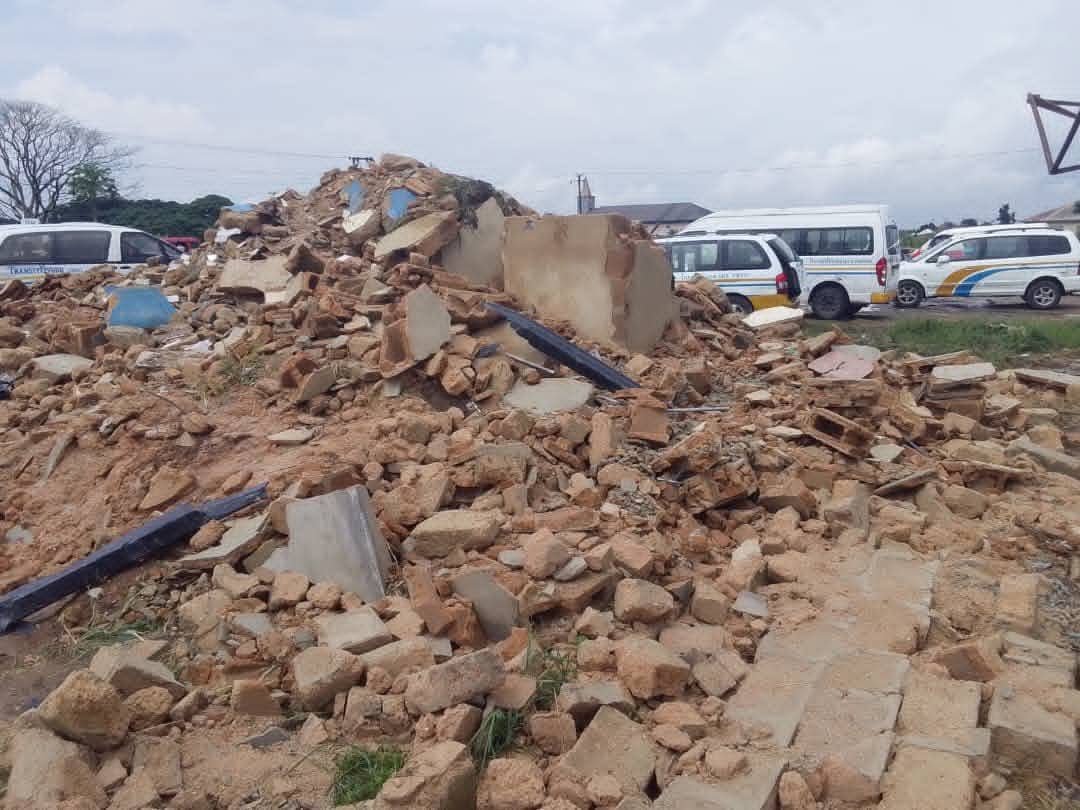
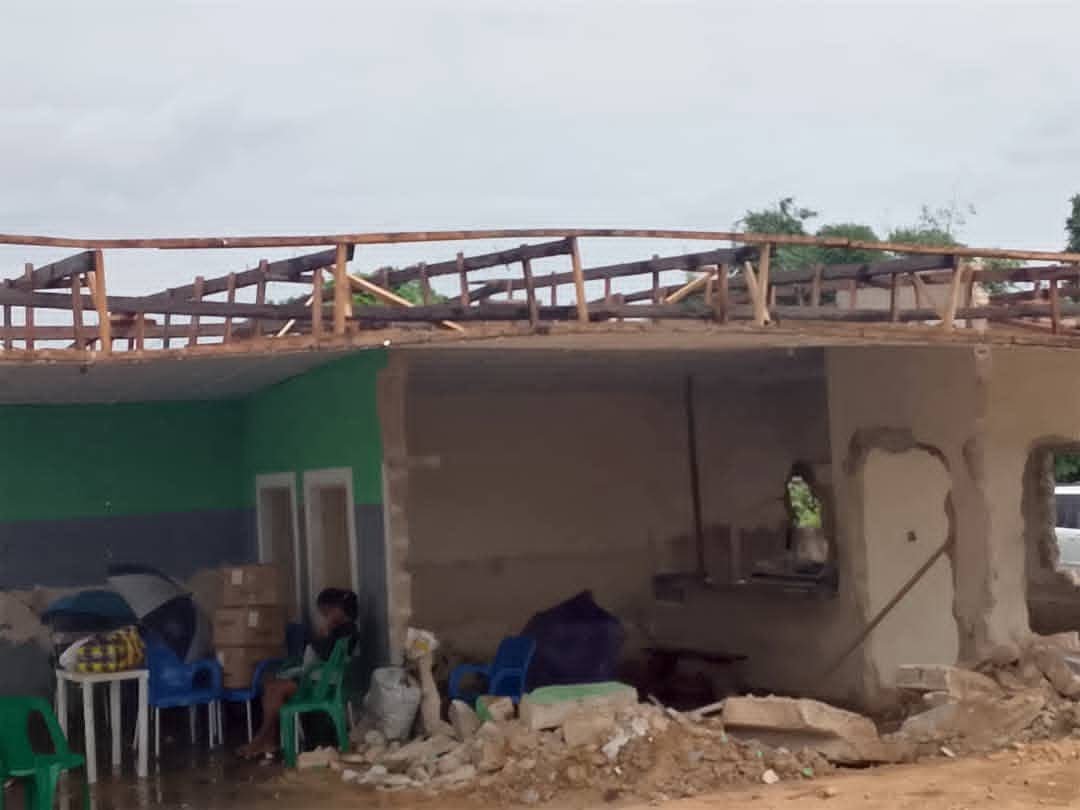
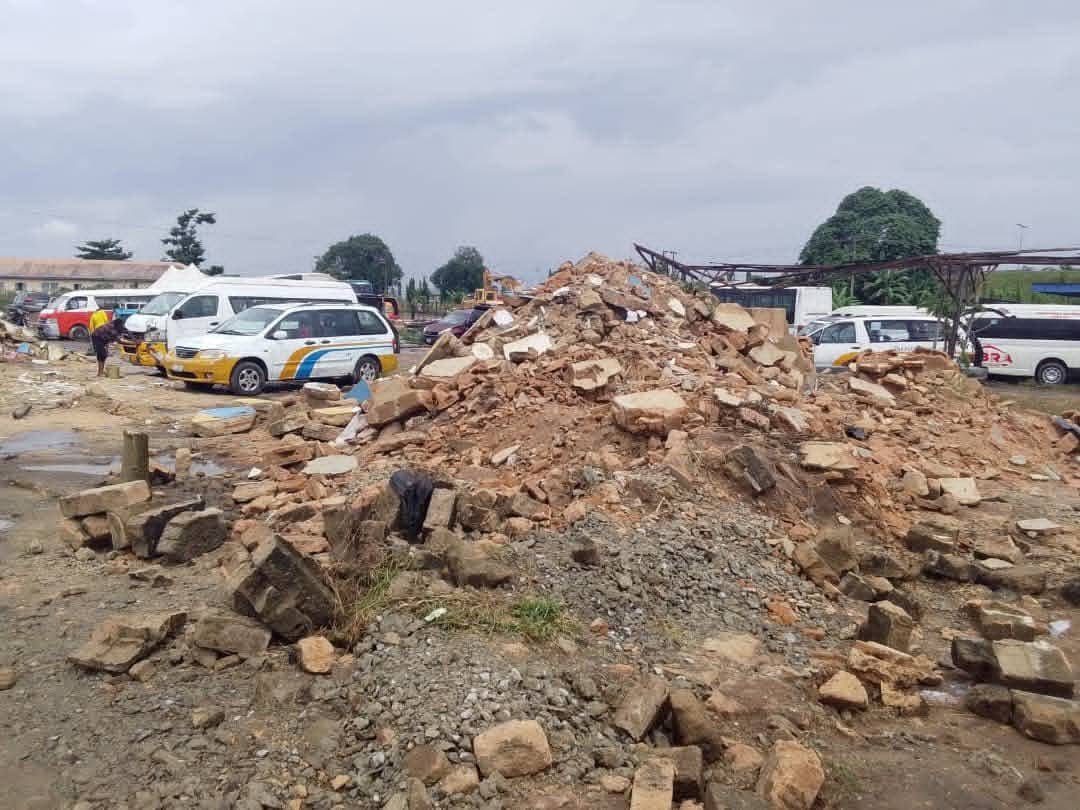
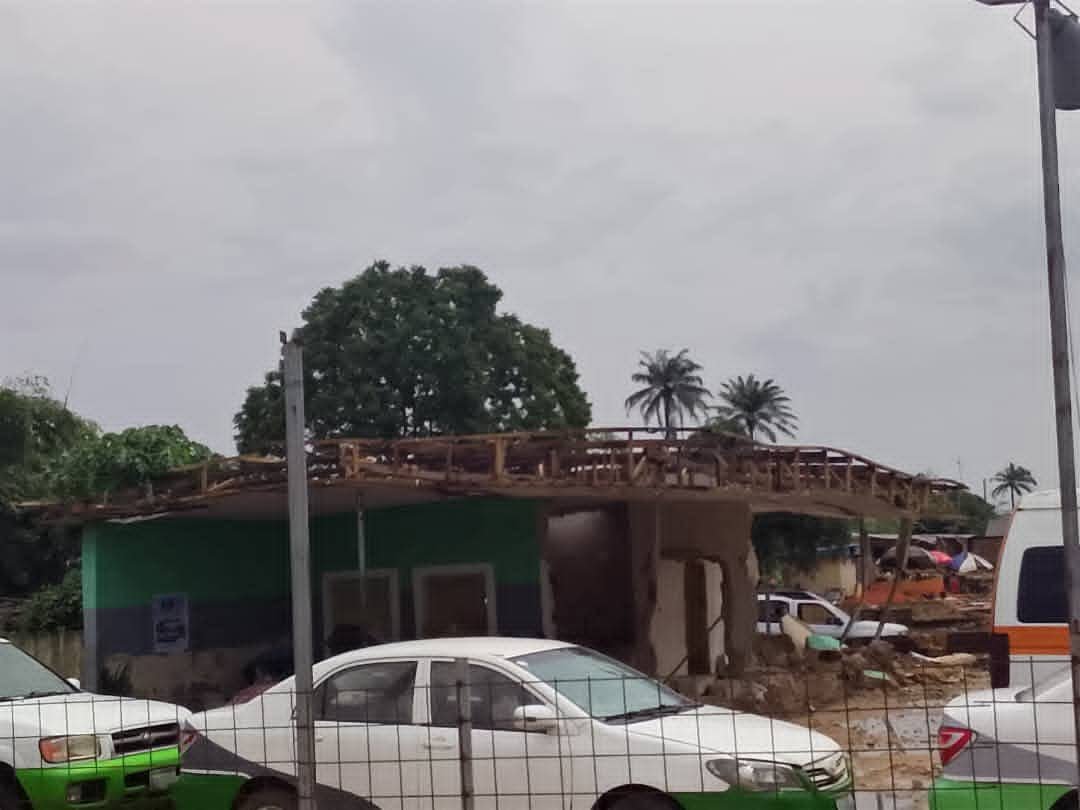
Standing amid the rubble of a business he says took nearly two decades to build, Mr Uwemedimo Essien struggled to contain his emotions.
“I started as a bus conductor,” he told journalists, his voice breaking. “Everything I have today came from hard work, sacrifice and determination.”
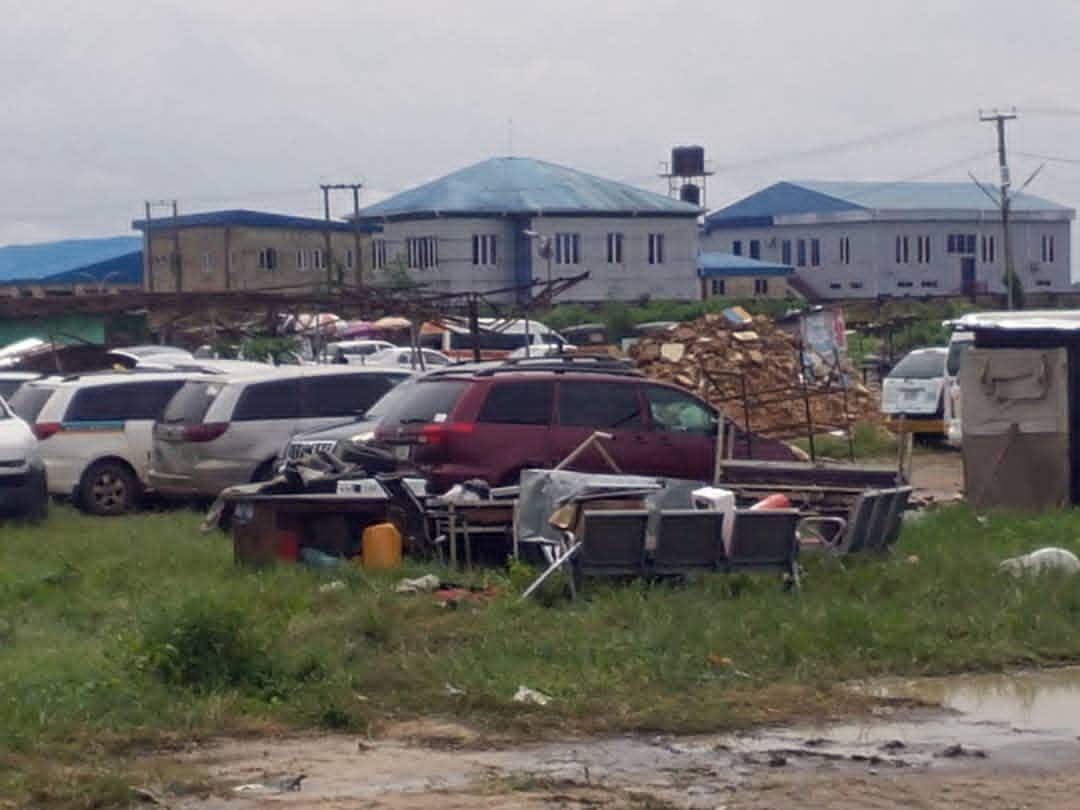
Now, the Chief Executive Officer of Transit Favour Company says the demolition of his transport park by the Akwa Ibom State Government has left not only his investment in ruins but also the livelihoods of hundreds of workers hanging in the balance.
In an exclusive interview at his business premises, Essien alleged that the demolition was carried out without due process, despite what he described as years of legal victories affirming his right to operate from the site.
According to him, Transit Favour began operations in February 2007 from Ikot Ekpene Road in Uyo before the state government requested that transport companies relocate from the city centre to ease traffic congestion.
He said his company initially complied by moving to a temporary location before acquiring land within the Industrial Layout, where it has operated since 2016.
“When the government first asked us to relocate, we complied because we understood the need to decongest the city. We invested heavily to acquire land, built our own facilities and established workshops here,” Essien said.
The transport operator claimed that previous attempts by the government to compel private operators to relocate to a central motor park ended in litigation.
According to him, both the High Court and the Court of Appeal ruled that local governments have the authority to regulate parks and that private transport companies are entitled to operate from their own premises, provided they comply with government regulations.
“We won at the High Court and again at the Court of Appeal. The judgments affirmed our right to operate here,” he said.
Essien said officials from the Ministry of Lands visited the property about two months ago to assess it, informing him that the road adjoining the premises would be dualised.
He said government-appointed valuers inspected the property, leading him to believe compensation would follow before any demolition. Instead, he alleged that officials later returned with a three-day removal notice.
“We are not against development,” he said. “If the government wants to dualise the road, that is in the public interest. But due process requires compensation for properties that will be affected.”
Essien further claimed he presented his Certificate of Occupancy, allocation documents and other ownership records to officials at the Ministry of Lands.
He questioned why his property became the focus of demolition despite the existence of undeveloped plots within the Industrial Layout.
“If the government believes some people are not utilising their plots, ours should not fall into that category. We have operated here continuously since 2016. We have workshops, offices and training facilities.”
Beyond transportation, Essien described Transit Favour as a vocational training hub where young people are taught automobile mechanics, auto-electrical work, panel beating, spray painting and vehicle fitting free of charge.
He argued that the demolition threatens not only his investment but also employment opportunities for hundreds of workers and apprentices.
According to him, Transit Favour operates across seven states, including Lagos, Abuja, Rivers, Bayelsa and Ogun, making it one of the few indigenous transport companies from Akwa Ibom with a national footprint. “I have never experienced this level of hostility towards my business in any other state,” he said.
Essien also criticised successive administrations for allegedly neglecting indigenous transport operators while favouring a handful of companies.
He claimed repeated attempts to present transport reform proposals to the state government were frustrated by officials within the Ministry of Transport.
“I have spent years developing ideas that could transform transportation in Akwa Ibom, but we have never been given the opportunity to present them directly.”
Describing himself as National President of the Public Transport Association of Nigeria and President of the Private Transport Operators and Park Owners Association covering Akwa Ibom and Rivers States, Essien said his experience should be seen as an asset rather than ignored.
He maintained that his disagreement was not with Governor Umo Eno personally, insisting he had supported previous administrations and remained committed to the state’s development.
“I am not fighting the government. I am asking for fairness. Businesses should be encouraged to grow, not pushed to the brink.”
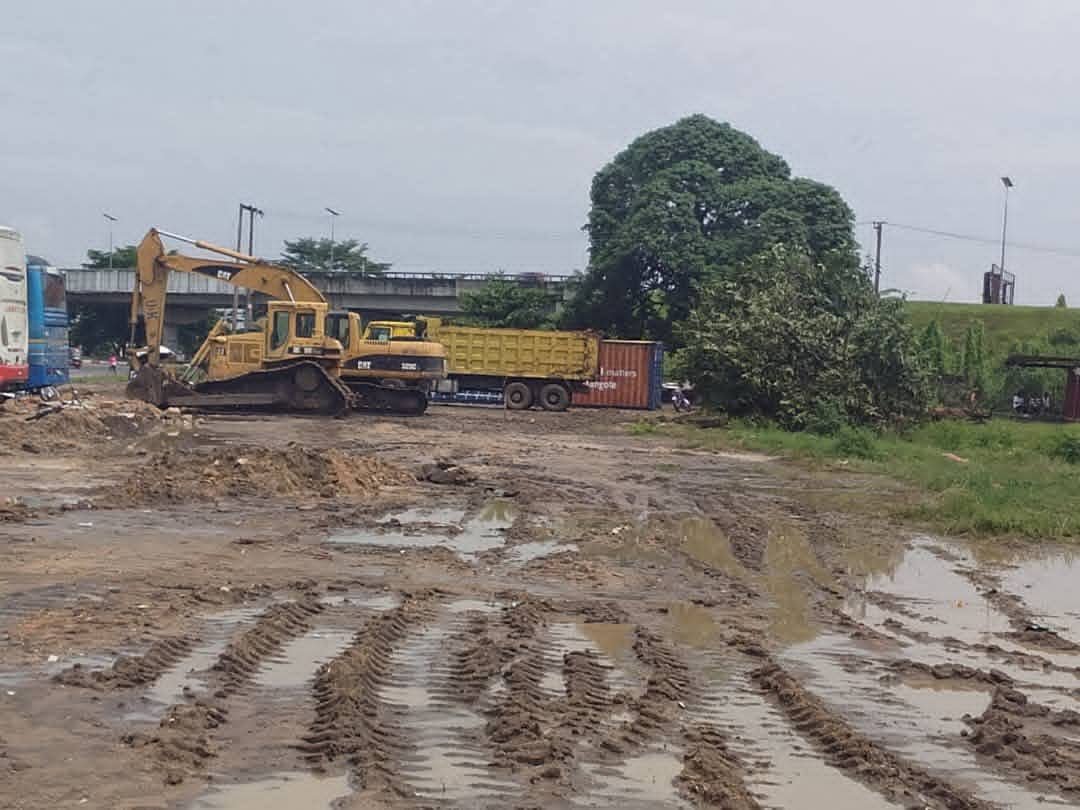
As excavators moved through the premises and workers watched years of investment disappear, Essien said the experience represented one of the darkest moments of his entrepreneurial journey.
“My only appeal is for the government to come to the table. Let us have a conversation. We have practical solutions that can improve transportation in Akwa Ibom State while protecting businesses and the jobs they create.”
The Akwa Ibom State Government had not responded to the allegations at the time of filing this report.