
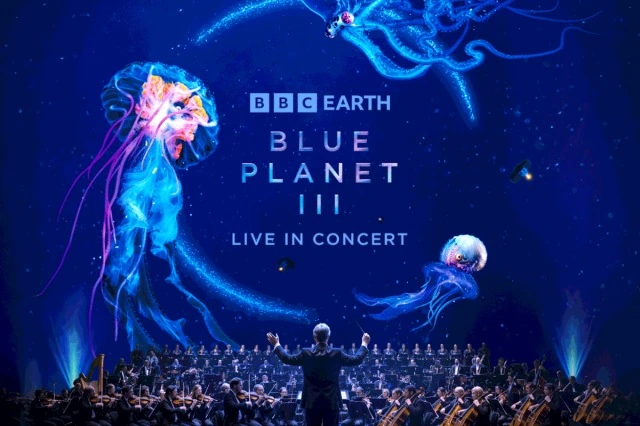
Previous instalments of the documentary series became known for their stunning, crystal-clear underwater photography, with images so beautiful they could appear almost unreal.
 By Frank Ulom
·
Published on October 25, 2026
·
2 min read
The BBC’s upcoming Blue Planet III documentary series will deliberately retain imperfect footage to demonstrate authenticity and distinguish its natural-world images from the flawless visuals increasingly associated with artificial intelligence (AI).
Previous instalments of the documentary series became known for their stunning, crystal-clear underwater photography, with images so beautiful they could appear almost unreal. However, one of the tell-tale characteristics of AI-generated content is its tendency towards overly polished, seemingly flawless imagery.
To avoid creating a similar impression, Blue Planet III is choosing to present the ocean as it is, without deliberately enhancing every shot or removing natural imperfections.
According to reports, executive producer Elizabeth White discussed the approach in an earlier interview with The Guardian.
White explained that, in the past, footage showing large quantities of floating plankton and other debris in the water might have been discarded during editing. The production team might also have adjusted camera compositions to remove boats and buoys from the frame or rejected a scene because the water conditions were considered unsuitable for filming.
This time, however, the team has decided to retain such footage, offering viewers a more authentic and unfiltered view of the marine environment.
Real Marine Life Can Be Stranger Than AI
Blue Planet III documents a range of remarkable underwater scenes, including dolphins using sponges to block holes while hunting fish, different fish species communicating with one another, and 200,000 crabs moving in formation as they forage for food.
White believes the extraordinary behaviour of real marine animals can surpass what artificial intelligence might imagine.
The decision to preserve imperfect footage reflects a broader challenge facing natural-history filmmaking as AI-generated images become increasingly sophisticated. By showing the ocean without removing every visual distraction, the BBC aims to maintain the credibility of its wildlife documentaries and demonstrate the difference between recorded natural phenomena and artificially generated imagery.
For the production team, the imperfections are not necessarily flaws to be corrected but part of what makes the natural world genuine and compelling.
