
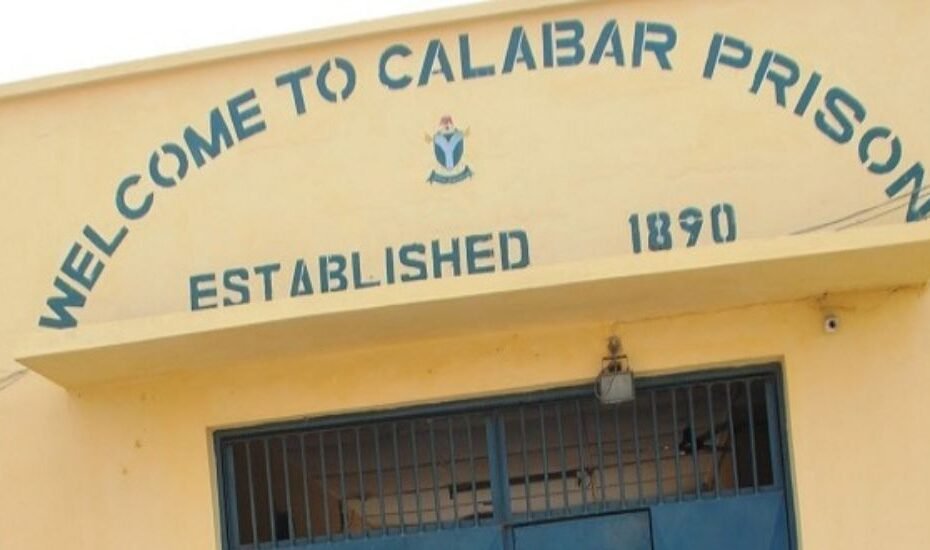
According to figures made available during the visit, the 48 inmates on death row comprise 47 males and one female
 By Our Reporter
·
Published on September 7, 2026
·
2 min read
By Our Reporter
·
Published on September 7, 2026
·
2 min read
Forty-eight inmates, including a woman, are currently on death row at the Afokang Correctional Centre in Calabar, Cross River State.
The figure was disclosed during a visit to the correctional facility by scholars of Rights Academy as part of efforts to expose them to the realities of human rights, justice administration and correctional services.
According to figures made available during the visit, the 48 inmates on death row comprise 47 males and one female. The inmates were sentenced to death after being convicted by competent courts of law.
The disclosure comes amid concerns over overcrowding at the Calabar facility, which currently houses 784 inmates despite having a designed capacity of 450.
This means the facility is accommodating 334 inmates above its intended capacity.
The inmate population comprises 756 males and 28 females. Of the total number, 531 inmates are awaiting trial, including 520 males and 11 females, while 170 have been convicted. Another 35 male inmates are serving life sentences.
The high number of awaiting-trial inmates has raised fresh concerns about delays in the administration of criminal justice and the pressure placed on correctional facilities.
The Rights Academy scholars called for more frequent jail delivery exercises by the Chief Judge of Cross River State to help identify inmates who may qualify for bail, those whose cases have stalled and persons who may have spent unnecessarily long periods in custody.
They also expressed concern about reported shortages of drugs, wound-treatment materials, hygiene items and toiletries at the facility’s clinic.
The scholars urged improved healthcare funding, stronger rehabilitation programmes and increased involvement of civil society organisations in providing legal assistance, healthcare support, hygiene materials and reintegration programmes.
They stressed that inmates are entitled to dignity, humane treatment, healthcare, fair trial and timely justice, while calling for closer coordination among the police, Department of Public Prosecutions, judiciary, legal practitioners and correctional authorities.
The development adds to growing concerns about the condition of custodial facilities in Cross River, particularly the combination of overcrowding, a large awaiting-trial population and the number of inmates serving death sentences.
