
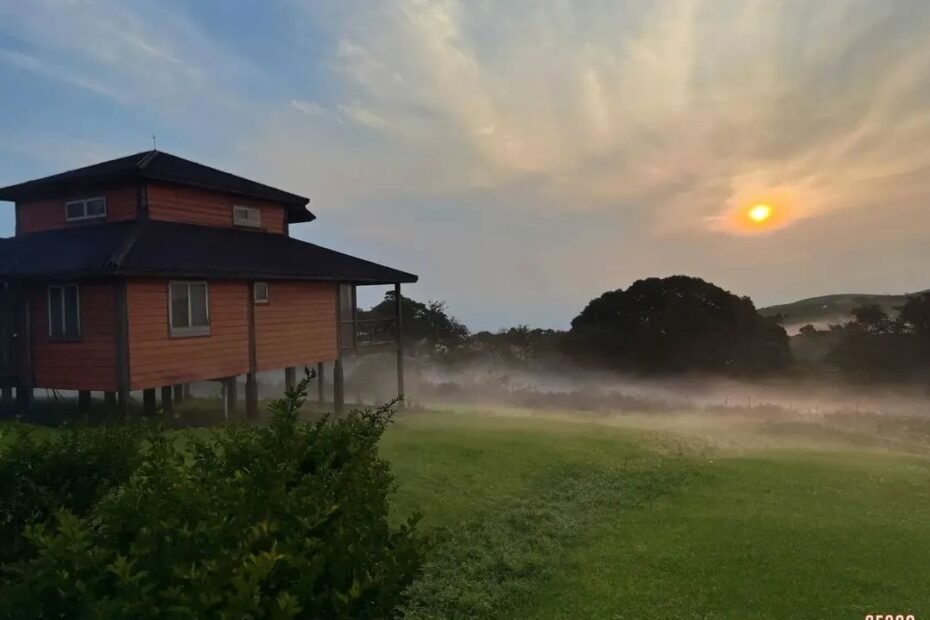
For more than a decade, Cross River has repeatedly turned to concessions as a strategy for rescuing struggling public investments
 By Editorial Team
·
Published on July 26, 2026
·
5 min read
By Editorial Team
·
Published on July 26, 2026
·
5 min read
The Cross River State Government’s decision to concession the Obudu Ranch Resort, Utanga Safari Lodge and Bebi Airstrip to Living Curation Real Estate Limited for 25 years marks another chapter in the state’s long history of using public-private partnerships to revive strategic assets. It is an ambitious move, but one that must be judged not by promises, press conferences or contract signings, but by measurable results.
For more than a decade, Cross River has repeatedly turned to concessions as a strategy for rescuing struggling public investments. Since 2010, successive administrations have explored different concession arrangements involving tourism assets, infrastructure and industrial projects. While some partnerships have attracted investment, others have produced disappointing outcomes, leaving state-owned facilities in worse condition than when they were handed over.
This history makes the latest Obudu Ranch concession both significant and sensitive.
Obudu Ranch is not merely another government property. It is one of Nigeria’s most recognised tourism destinations and a symbol of Cross River’s identity as the country’s tourism capital. The resort enjoyed its golden era during the Donald Duke administration, attracting thousands of domestic and international tourists through modern facilities, cable cars, quality accommodation and international events. Studies have consistently highlighted the resort’s contribution to employment, community development and tourism growth in Cross River State.
Unfortunately, that success was not sustained.
Years of inadequate maintenance, inconsistent government policies and failed investment initiatives gradually eroded the resort’s competitiveness. Visitor numbers declined, facilities deteriorated and supporting infrastructure became obsolete. Even government publications now acknowledge that tourism assets such as Obudu Ranch and Tinapa have suffered from weak public-private partnerships and mismanagement, despite their enormous economic potential.

Perhaps the clearest lesson came in 2025 when Governor Bassey Otu revoked the previous concession granted to CIBA Construction Company Limited after the company allegedly failed to fulfil its contractual obligations to rehabilitate and modernise the resort. The state maintained that the concessionaire failed to invest as required, forcing government intervention.
That experience should shape every aspect of the new agreement.
The administration deserves credit for refusing to allow a failed concession to continue indefinitely. Equally commendable is its renewed determination to attract credible private investment instead of relying solely on limited public finances to restore tourism infrastructure.
However, awarding another 25-year concession is only the beginning.
Long-term concessions can unlock capital, technical expertise and efficient management. Around the world, successful tourism destinations have benefited from carefully structured partnerships between governments and private investors. But such partnerships succeed only when transparency, accountability and performance monitoring remain stronger than political goodwill.
The state must therefore ensure that this agreement is governed by clear performance benchmarks, investment timelines and enforceable penalties for non-compliance. The public deserves periodic updates on project milestones, investment commitments, employment generation and community benefits.
The emphasis placed by the Attorney-General on women’s empowerment, host community participation, environmental conservation and scientific eco-tourism is encouraging. These objectives reflect modern tourism development rather than simply renovating hotel buildings. If properly implemented, they could transform Obudu into a destination that combines hospitality, conservation, research and sustainable economic development.
Yet host communities must not become spectators.
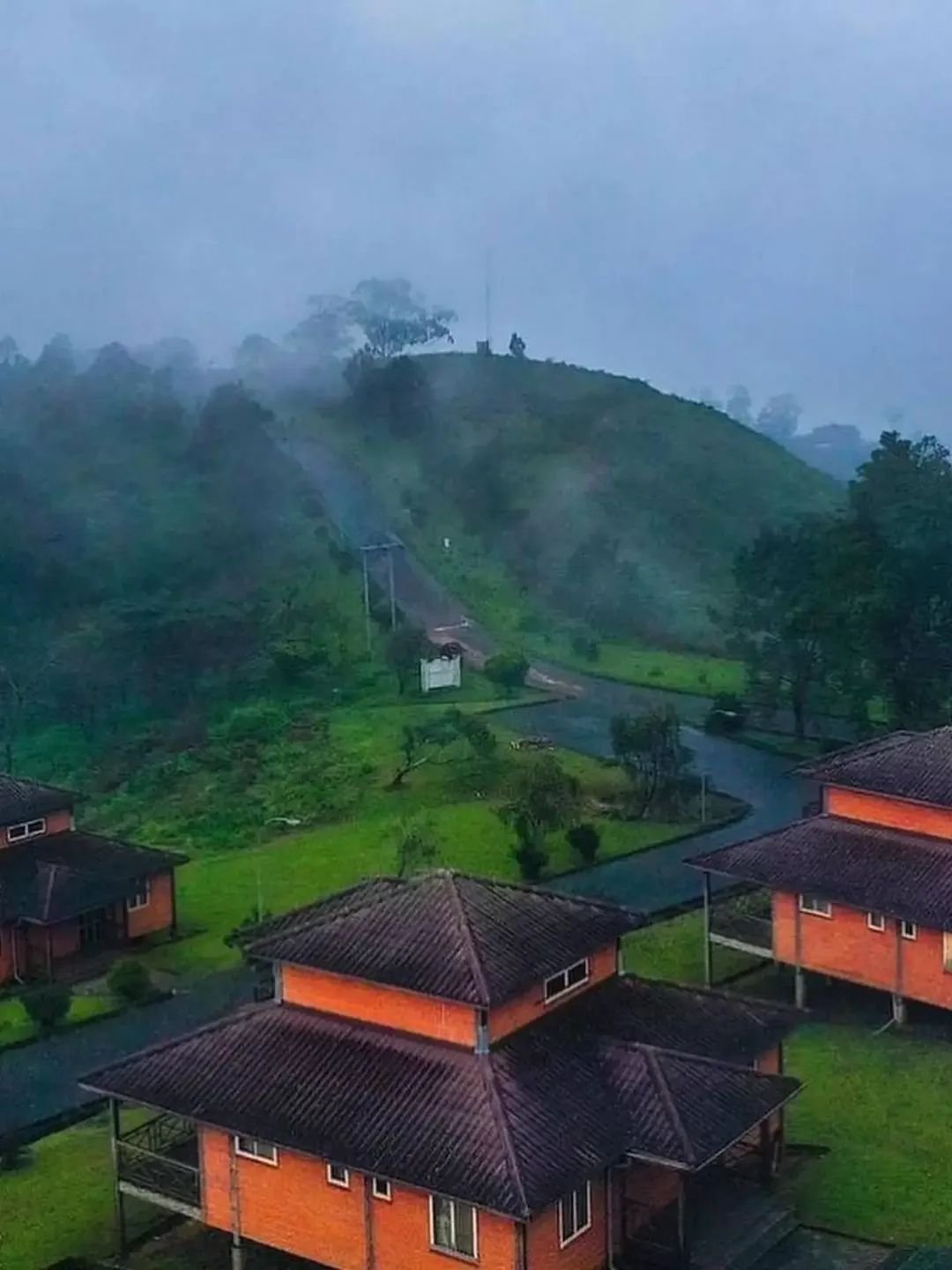
Communities around Obudu, Utanga and Bebi should experience direct improvements in livelihoods through employment opportunities, local contracting, skills acquisition, small business growth and infrastructure development. Tourism succeeds when surrounding communities become stakeholders rather than bystanders.
Transparency must also extend to the financial structure of the concession. Citizens deserve to know the broad obligations of both parties, expected investment levels and mechanisms for protecting public assets throughout the concession period. Since these facilities belong to the people of Cross River, public confidence depends on openness.
The government must equally resist the temptation to measure success solely by physical renovation. A refurbished hotel means little without consistent visitor traffic, reliable transportation, effective marketing, quality service delivery and international competitiveness.
Cross River possesses enormous tourism advantages that few Nigerian states can match: Obudu Mountain Resort, Tinapa, Kwa Falls, Agbokim Waterfalls, the Cross River National Park, Carnival Calabar and rich cultural heritage. The challenge has never been a lack of attractions; it has been sustaining them through competent management.

The latest concession offers an opportunity to break that cycle.
Living Curation Real Estate Limited has pledged to deliver a world-class tourism destination. That commitment should now be matched by visible investment, timely execution and measurable outcomes. The state government, on its part, must remain an active regulator rather than a passive landlord.
Cross River cannot afford another failed concession.
If this partnership succeeds, it could restore investor confidence, revive tourism, create thousands of jobs and reaffirm the state’s position as Nigeria’s tourism leader. If it fails, it will simply reinforce public scepticism about concession agreements that promise transformation but deliver decline.
This is why the Obudu Ranch concession should not be remembered as another contract signing. It should become the benchmark that proves whether Cross River has finally learned the lessons of its concession history.
