Research in Nigeria is already difficult. Funding is limited. Equipment is difficult to access. Researchers often have to make personal sacrifices just to keep their work moving
 By Emmanuel Ndoma
·
Published on September 3, 2026
·
3 min read
By Emmanuel Ndoma
·
Published on September 3, 2026
·
3 min read
I spent over ₦700,000 of my personal funds on sample collection, fieldwork and logistics. When I consider the time, energy, planning and other resources that went into the work, the cumulative investment was about ₦5 million.
I honestly don’t know how to put this into words.
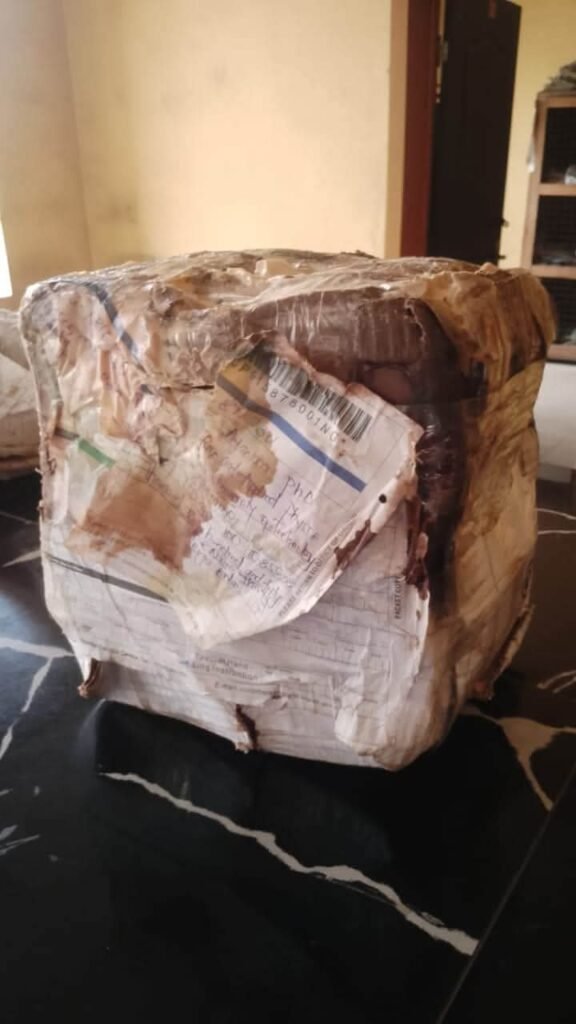
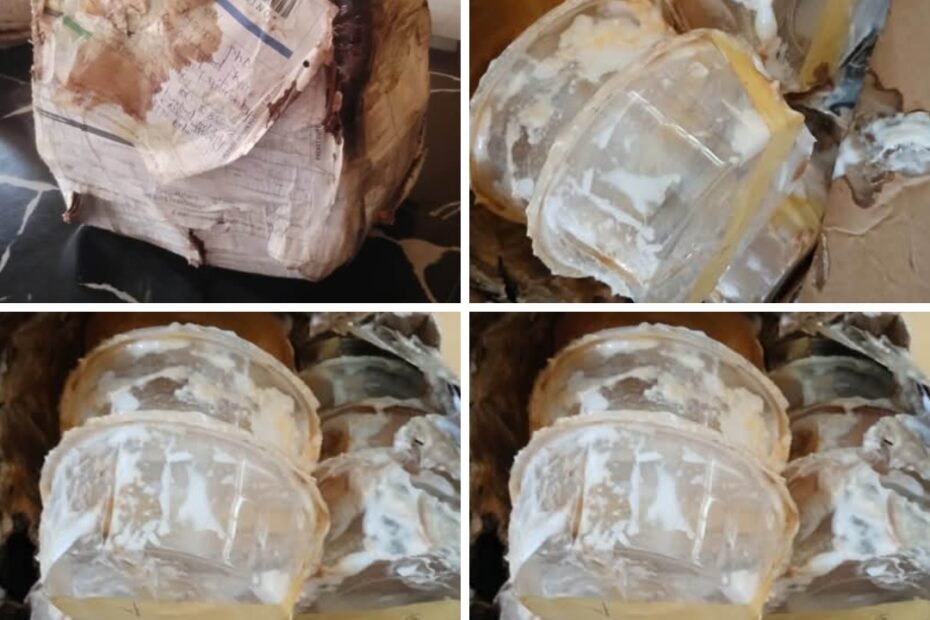
Then my package arrived in Ogbomoso.
I received this message:
“Good morning. I am currently at the post-office to receive your package. This is how the package was delivered. I don’t know what the content of the samples will be until it is unpacked to know the quantity and quality useful for analysis. I will update you once it is unpacked.”
I waited.
Then came the message I was dreading:
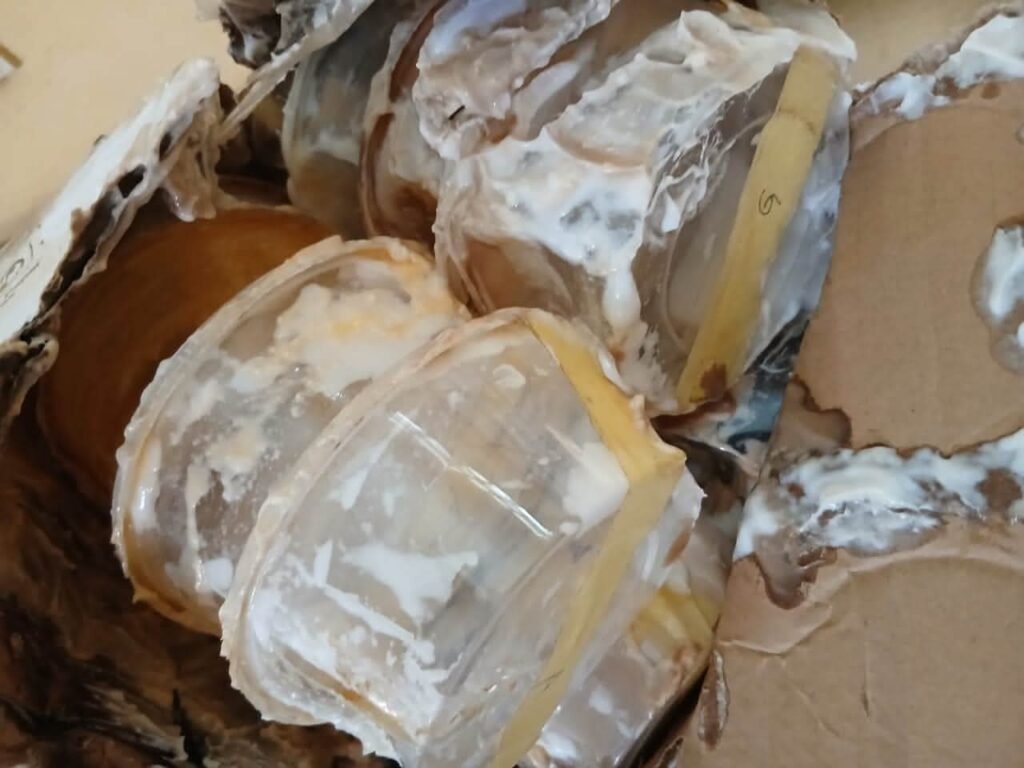
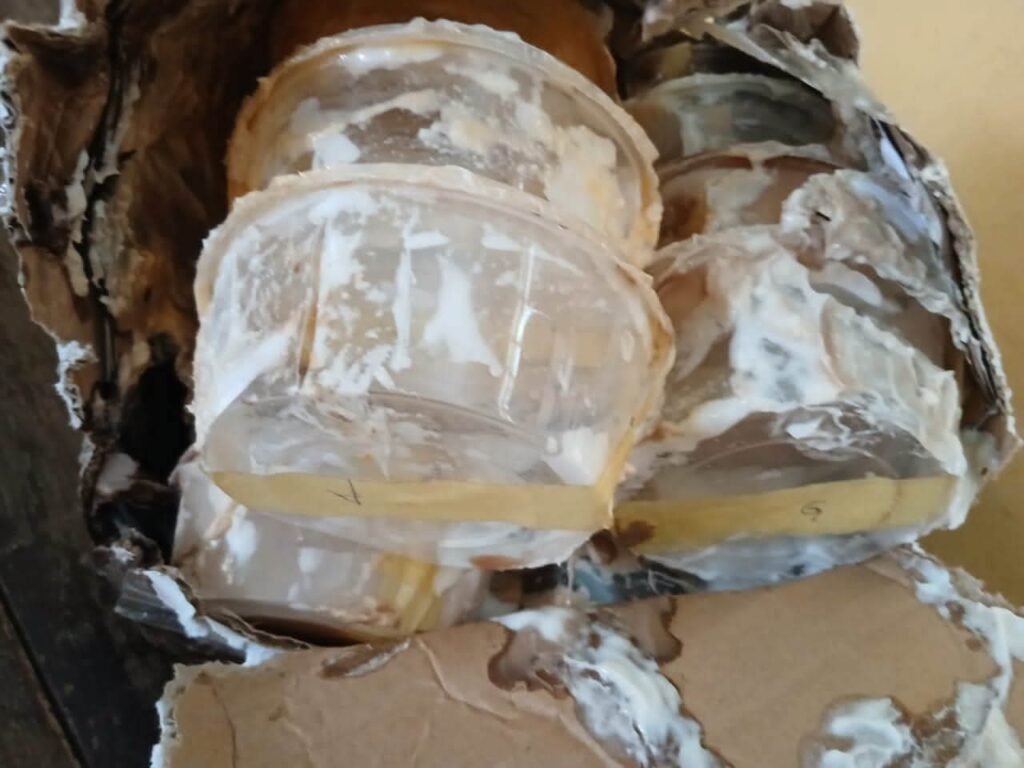
“Good afternoon. After unpacking the samples, none of the samples can be used for analysis, as the container had broken, making all the samples to mix together.”
I honestly didn’t know how to react.
Months of work. Gone.
The field trips.
The money.
The time.
The planning.
The energy.
Everything I had put into getting those samples together was suddenly compromised.
The frustration is difficult to explain.
In my nearly five years of research, this is the first time I have experienced something like this.
Research in Nigeria is already difficult. Funding is limited. Equipment is difficult to access. Researchers often have to make personal sacrifices just to keep their work moving.
So when something like this happens, it hurts differently.
But I keep reminding myself why I started researching:
Because our problems deserve evidence.
Because our environment deserves to be studied.
Because someone has to keep asking the questions.
My work focuses on radioactivity assessment and the health impacts of naturally occurring radioactive materials (NORM) on our environment.
I am sharing this because I want to document what researchers go through in Nigeria, not for pity, but in the hope that these experiences can bring attention, support and, where possible, recovery of some of the resources and opportunities we lose along the way.
And if another researcher or academic is going through something similar, please know that you are not alone.
We get frustrated.
We get tired.
Sometimes we get hurt.
But we keep pushing.
We keep researching.
We keep asking questions.
We keep trying.
We keep going.
Emmanuel George Ndoma, PhD.