

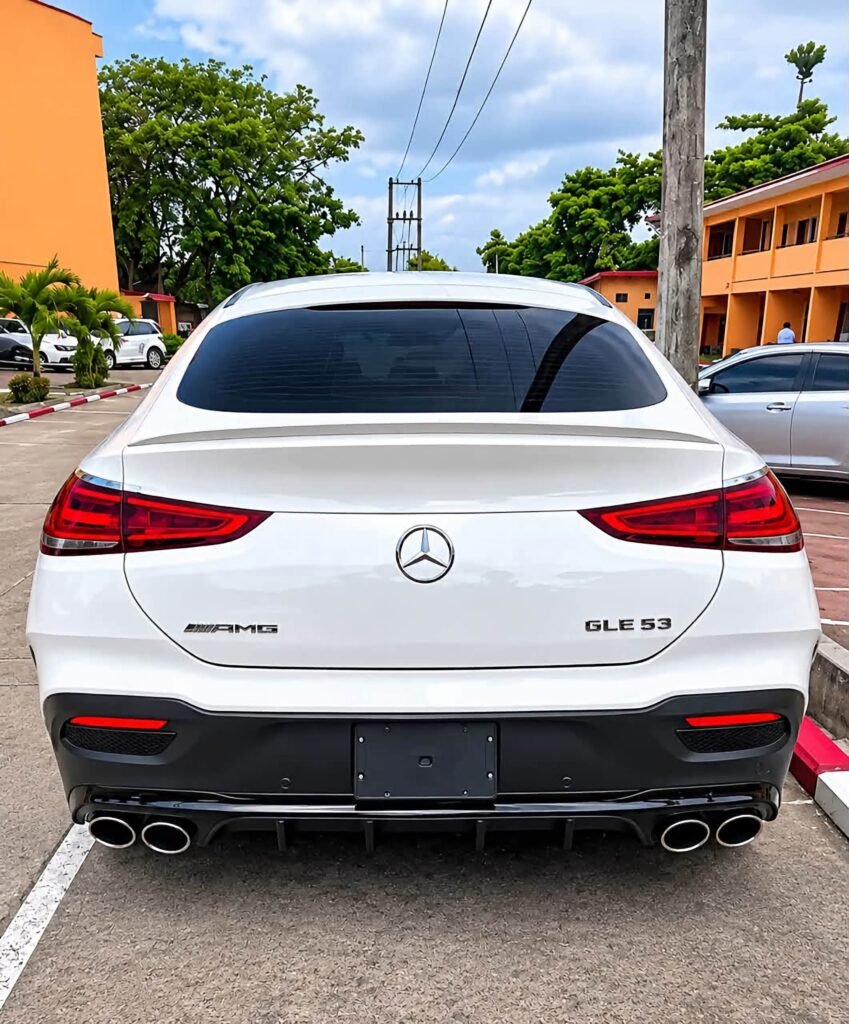
The vehicles include a white Mercedes-Benz GLE 53 AMG and a grey Mercedes-Benz GLC 300 AMG, while the electronic devices comprise an orange iPhone 17 Pro Max, a silver Samsung Fold 7, a blue iPhone 13 and a silver iPad.
 By Sam Ovie
·
Published on November 10, 2026
·
4 min read
Justice Yellim S. Bogoro of the Federal High Court sitting in Lagos, on Monday, November 9, 2026, ordered the final forfeiture of two luxury Mercedes-Benz vehicles, mobile phones and other electronic devices linked to a convicted internet fraudster, Ifeanyi Franklyn Arinze, to the Federal Government of Nigeria.
The vehicles include a white Mercedes-Benz GLE 53 AMG and a grey Mercedes-Benz GLC 300 AMG, while the electronic devices comprise an orange iPhone 17 Pro Max, a silver Samsung Fold 7, a blue iPhone 13 and a silver iPad.
The properties were reasonably suspected to have been acquired with proceeds of unlawful activities.

The judge issued the order following an application for final forfeiture filed by the Economic and Financial Crimes Commission (EFCC), through its counsel, C.C. Okezie. The application was supported by an affidavit deposed to by an EFCC operative, Buluebiere Karamo, who disclosed that the Commission had received intelligence alleging that Arinze was the leader of a syndicate of fraudsters operating in Lagos.
The affidavit further stated that the respondent, using the identity of “Tonya” on iMessage, allegedly contacted several victims in the United States of America and instructed them to create foreign financial accounts, including Zelle, Apple Pay, PayPal, Cash App and Venmo.

The EFCC alleged that Arinze subsequently directed the victims to transfer funds received into the accounts to a Chinese national identified as “Chinko Applepay”. Upon receipt of the funds, the Chinese allegedly credited Arinze’s Kuda Bank account with the naira equivalent, after which Arinze transferred the money to other members of the syndicate and retained 10 per cent as commission.
An analysis of his Kuda Bank account allegedly revealed total inflows of N2,149,495,381.42 between August 2022 and February 2026.
Further investigation revealed that Arinze operated 49 Gmail accounts, alongside several Facebook and Instagram accounts, which were allegedly used for his fraudulent activities.
The affidavit also disclosed that the respondent was previously arrested on April 20, 2024, during a sting operation conducted at Remi Olowude Street, Lekki, Lagos, alongside several other individuals.

Following the investigation, he was charged before the Federal High Court on a two-count charge bordering on computer-related fraud.
The Commission stated that Arinze pleaded guilty to the charges and was convicted on June 5, 2024, by Justice Aneke, who ordered him to be of good behaviour and desist from further involvement in cyber-related offences.
However, he allegedly breached the terms of the judgment by continuing to engage in money laundering and computer-related fraud after his conviction and payment of the option of a fine. The Commission subsequently received fresh intelligence indicating that the respondent had continued to engage in fraudulent activities, prompting another investigation.

In the course of the investigation, the EFCC allegedly discovered that the properties listed in the forfeiture application were acquired with proceeds of fraudulent activities committed after his earlier conviction.
The court had earlier granted an interim forfeiture order on July 17, 2026, directing the EFCC to publish the order in a national newspaper to enable any interested person or entity to show cause why the properties should not be permanently forfeited to the Federal Government.
Moving the application for final forfeiture, Okezie informed the court that the Commission had complied with the directive by publishing the interim forfeiture order in The Guardian newspaper on September 16, 2026.
She further informed the court that no interested person or entity had come forward to show cause why the properties should not be finally forfeited.
After listening to the application and considering the affidavit evidence presented by the EFCC, Justice Bogoro granted the application and ordered the final forfeiture of the properties to the Federal Government of Nigeria.
