
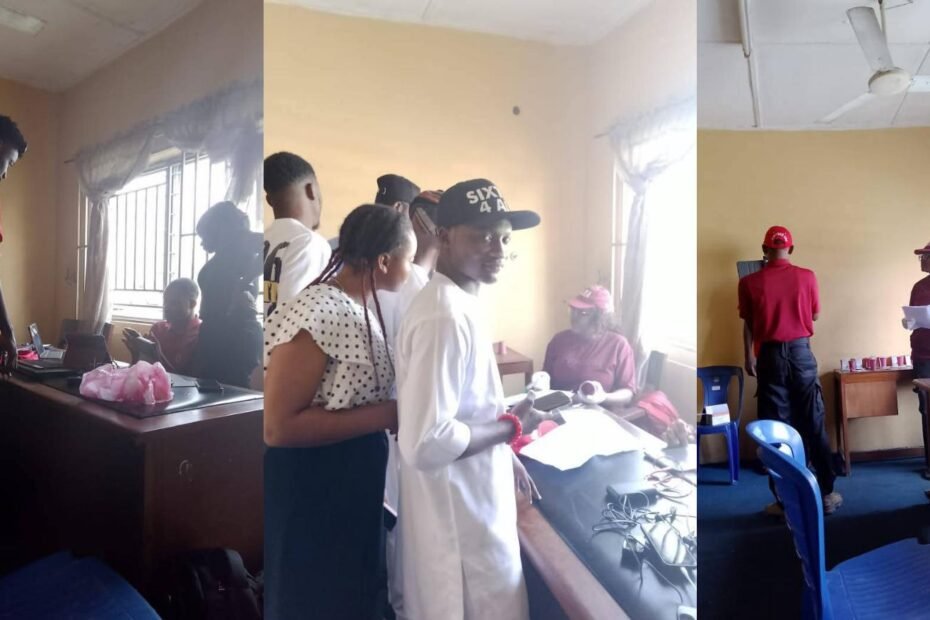
The exercise is carried out by men of the National Drug Law Enforcement Agency (NDLEA).
 By Michael Gospel and Emeka E.
·
Published on October 27, 2026
·
3 min read
The Dean of Student Affairs at the University of Cross River State (UNICROSS), Dr. Victor Ndifon, has approved drug tests, screening and verification of students aspiring to leadership positions to ensure they are not addicted to hard drugs, including cocaine.
Dr Ndifon made the call while emphasising the dangers of drug abuse among students and the need for responsible leadership within the university community. The exercise is carried out by men of the National Drug Law Enforcement Agency (NDLEA).
He stressed that students are ambassadors of the institution and should conduct themselves in ways that protect the university’s image and uphold its values. According to him, students seeking leadership positions must demonstrate discipline, sound judgment and a commitment to the welfare of their fellow students.
Dr. Ndifon further expressed concern about the negative effects of drug abuse on students’ academic performance, physical and mental well-being, behaviour and future prospects. He noted that substance abuse could impair concentration, affect decision-making and contribute to conduct that undermines discipline on campus.
The Dean emphasised that student leaders have a responsibility to serve as role models and represent the interests of the student population. He therefore maintained that appropriate screening and verification should form part of the process for assessing students seeking elective leadership positions.
The proposed measure, he said, “is intended to promote responsible leadership and ensure that those entrusted with representing students can discharge their duties effectively”.
Drug abuse remains a concern in educational institutions because of its potential effects on students’ health, academic progress and social relationships. Addressing the problem requires sustained awareness campaigns, preventive education, counselling and access to appropriate support services.
The Dean’s remarks have drawn attention to the need for students, university management and student organisations to work together to discourage substance abuse and promote a safe, disciplined and academically focused campus environment.
As the university continues to emphasise responsible student conduct, the call highlights the importance of combining drug-abuse prevention with accountability and effective student leadership.
