
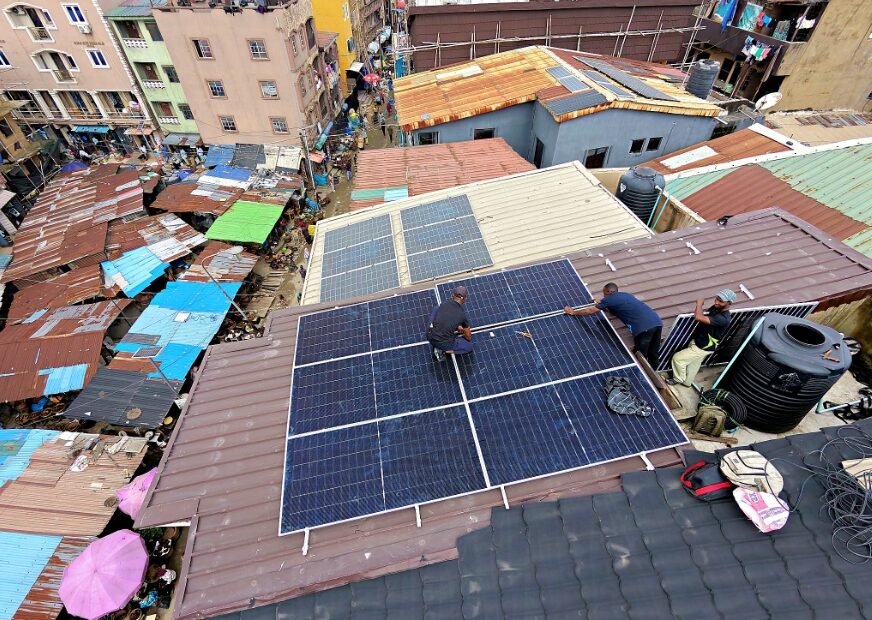
ZE-Gen initiative will deploy more than 2,000 solar and battery systems and is expected to attract around £1.4 million in private investment
 By Staff Reporter
·
Published on September 30, 2026
·
5 min read
By Staff Reporter
·
Published on September 30, 2026
·
5 min read
A real-world test of new financing and rental models for solar generator and battery systems is launching across Nigeria and Uganda, with eleven companies trialling approaches designed to help millions of homes and businesses move away from petrol and diesel generators as part of a new ZE-Gen initiative.
The projects form part of ZE-Gen’s new Local Innovation Fund, which is supporting companies to test whether new financing and rental approaches can overcome one of the biggest barriers to adoption – the upfront cost of switching away from petrol and diesel generators to reliable, affordable clean power.
Together, the projects are expected to attract around £1.4 million in private-sector investment while deploying more than 2,000 solar and battery systems across Nigeria and Uganda. Companies will test a range of financing and rental approaches – including lease-to-own finance, battery rental, subscription-based energy services, embedded finance partnerships and pay-as-you-go payment structures – to identify the models with the greatest potential to scale commercially. These pilots are designed to demonstrate how flexible payment models can support productive use of energy, strengthen MSMEs and market clusters, and help unlock scalable private-sector investment in distributed renewable energy.
Launched at COP27, ZE-Gen is the leading international initiative working to improve the lives of people across sub-Saharan Africa, South Asia and the Indo-Pacific region through accelerating the transition from polluting fossil fuel generators to clean, renewable energy-based alternatives.
Lily Beadle, Programme Director, ZE‑Gen said: “One of the biggest barriers to replacing fossil-fuel generators is the upfront cost of renewables. These projects in Uganda and Nigeria are testing new financing and rental models that could make distributed clean energy more affordable for households and businesses, while helping unlock the private investment needed to scale the market.”
“With around €1.6 million already expected to be leveraged from private-sector partners, we’re seeing growing confidence in the commercial potential of clean alternatives to fossil-fuel generators. Supported by the IKEA Foundation and the Ayrton Fund’sTransforming Energy Access platform, this ZE-Gen initiative is generating practical evidence on the business models that can attract investment, grow markets and help bring cleaner, more reliable energy within reach of millions more people.”
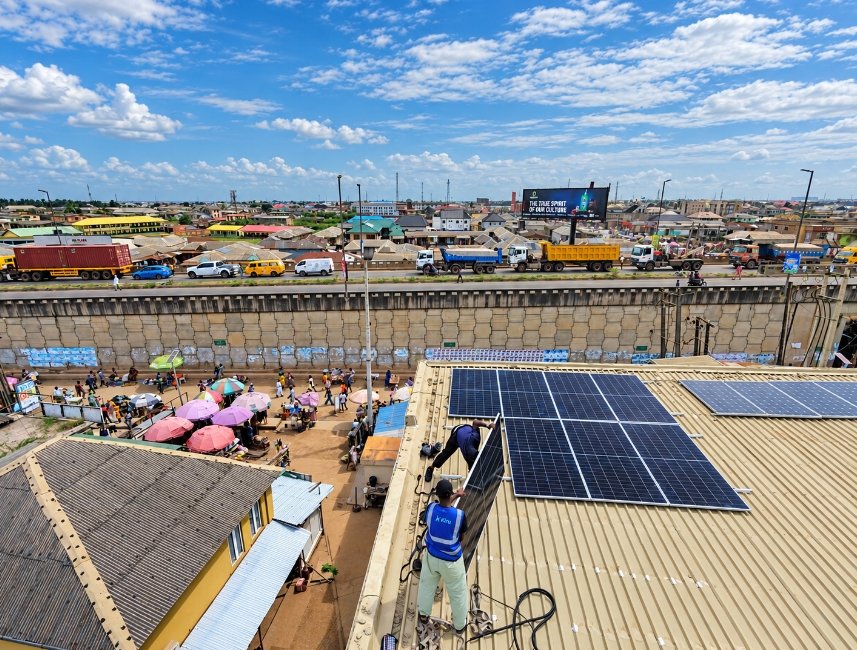
The initiative builds on ZE-Gen’s recent insight paper, Transitioning to Zero Emission Generators in Nigeria: Which Business Models Can Scale?, which highlighted the critical role of innovative financing in unlocking wider market growth. The projects now move those findings from research into practice, creating a real-world test bed for commercial models that could help accelerate the transition away from fossil-fuel generators.
In Nigeria, seven companies have been selected to test a range of business models across residential, market and small business customers.
- So-Cool Solutions is deploying lease-to-own solar kiosks with integrated cold storage for small businesses across Lagos, Osun, Oyo and Ogun states.
- CEESolar Energy is testing lease-to-own financing for 5kW solar generator systems serving small and medium-sized enterprises in Abuja
- ICE Solar is deploying prepaid energy-as-a-service solar micro-utilities across business clusters in the Niger Delta.
- Reeddi Technologies is combining agent-led pay-as-you-go financing with credit-building and healthcare benefits
- Kiru Energy is testing a social-collateral repayment model designed for traders operating in densely populated markets.
- Oríkì Energy is supporting solar-powered phone-charging enterprises through lease-to-own finance
- Infibranches Technologies is piloting embedded finance and buy-now-pay-later partnerships to help customers replace fossil-fuel generators.
In Uganda, four companies are testing business models tailored to local market conditions.
- Wana Energy Solutions will deploy 250 systems across the West Nile region using a combination of pay-as-you-go, buy-now-pay-later and battery-as-a-service approaches.
- Innovex Uganda is trialling multiple repayment structures across residential, marketplace and small business customers to understand which financing models are most effective for different customer segments.
- Brightlife, part of FINCA Uganda, is using microfinance channels to expand access to solar generator systems for small businesses
- NOA Energy Services Uganda is testing a subscription-based model that allows customers to pause payments without penalty.
Globally, around 1.5 billion people don’t have access to reliable electricity. It is estimated that 25 million, highly polluting, fossil fuel generators are in use across emerging economies, resulting in huge financial, social and environmental costs. Associated health risks include premature death, lung cancer, hearing impairment and numerous other problems.
High carbon emissions can also hold back countries’ efforts to meet their climate goals, and the high running costs of fossil fuel generators can reduce finance available for business, healthcare and education.
Despite being home to two-thirds of the world’s population, emerging economies account for only 15% of global clean energy investment, with homes and businesses facing frequent blackouts that can last for weeks at a time, negatively impacting daily lives and business income.
ZE-Gen’s unique approach tackles market barriers to renewable energy-based alternatives to fossil fuel generators by uniting innovation, finance and skills to drive competitive market growth.
As ZE-Gen continues to grow, it is seeking mission-aligned partners interested in helping scale clean alternatives to fossil-fuel generators across emerging markets. The programme offers a platform for organisations looking to combine climate impact, economic growth and energy access, helping deliver cleaner, more reliable power for households, entrepreneurs, schools, healthcare facilities and humanitarian programmes while reducing reliance on costly and polluting generators.
