On 24 December 1969, what began as an ordinary market day around Orie Ntigha, in present-day Abia State, ended in one of the darkest memories of the Nigerian Civil War for communities around the Imo River.
 By Emmanuel Nzenwa
·
Published on September 28, 2026
·
3 min read
By Emmanuel Nzenwa
·
Published on September 28, 2026
·
3 min read
Udo-Na-Obizi Imo River Bridge in Ezinhitte Mbaise, Imo State, carries a history many may not know. Some places look ordinary today, but beneath them are stories that many people may never hear.
On 24 December 1969, what began as an ordinary market day around Orie Ntigha, in present-day Abia State, ended in one of the darkest memories of the Nigerian Civil War for communities around the Imo River.
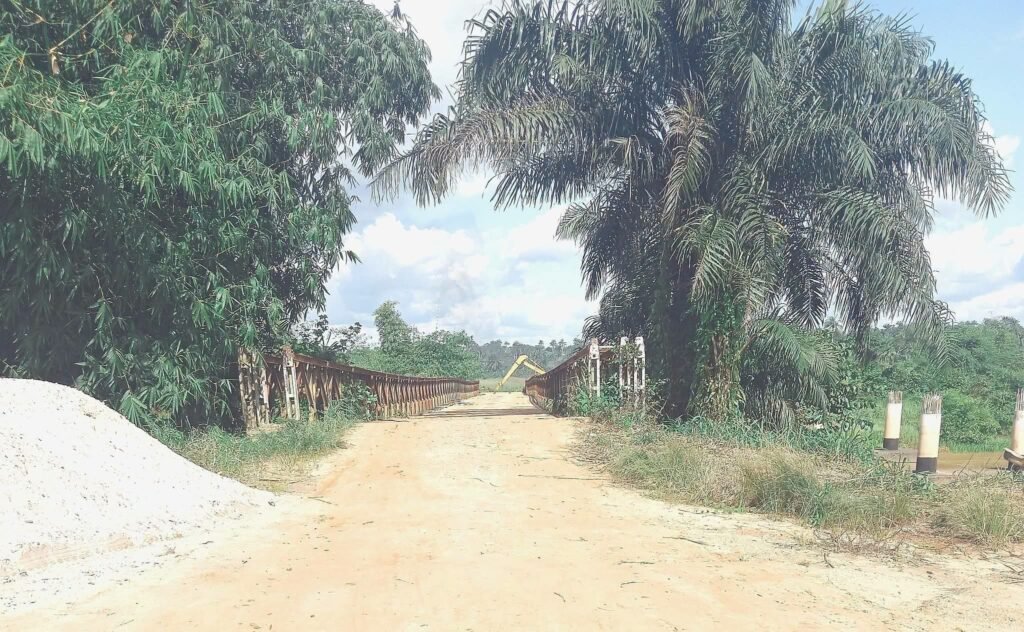
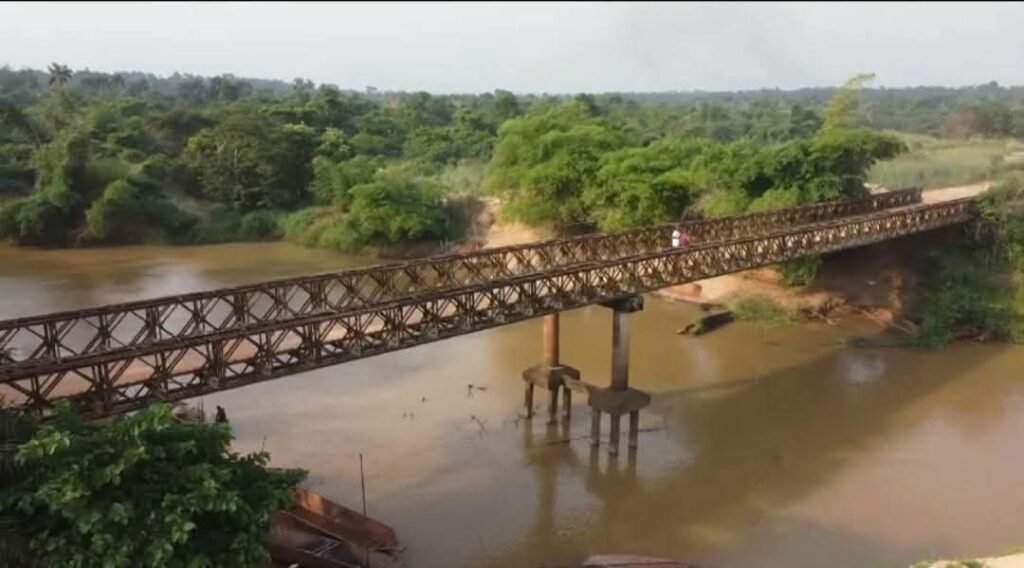
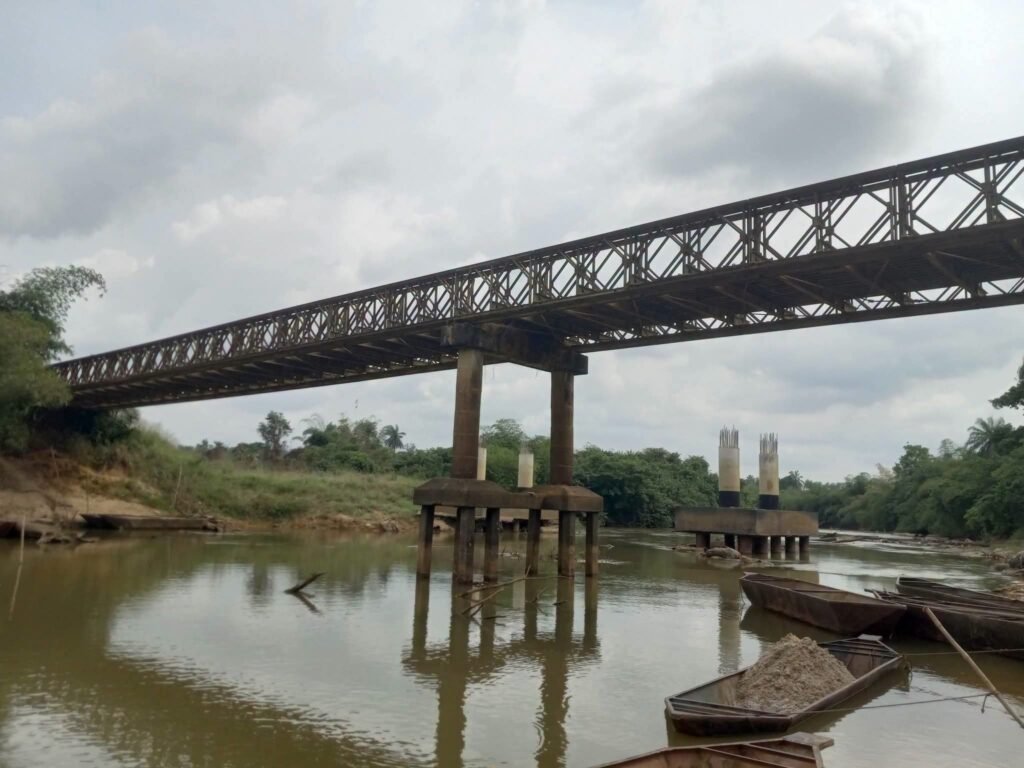
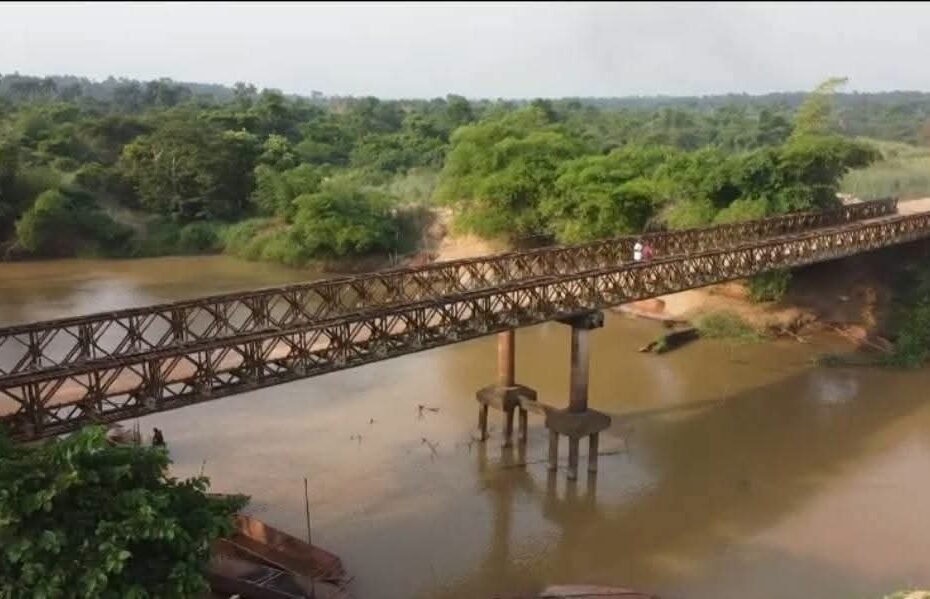
The Udo-na-Obizi area of Ezinihitte Mbaise in present-day Imo State is separated from communities in Abia by the Imo River. The bridge across the river connected the communities and provided an important route for movement between the two sides. Today, the route is identified as part of the Achingalli–Udo-na-Obizi–Umunwanwa–Ubakala road.
According to an account preserved within the community, 24 December was an Orie market day, and many people had travelled to Orie Ntigha to buy and sell in preparation for Christmas. Among them was the aunt of the man whose family preserved this story.
But as the day progressed, news spread that Federal troops were advancing towards the area. Panic quickly replaced the normal activities of the market. People abandoned their businesses and began fleeing towards Mbaise, with many using different routes to get across the Imo River.
Some made it across before the troops reached the bridge.
Others were not so fortunate.
As large numbers of civilians attempted to cross at the same time, the situation became chaotic. Soldiers were also approaching the bridge, and according to the account handed down in the community, Biafran forces eventually destroyed the bridge with explosives while people were still caught up in the rush to cross.
The result was devastating.
Civilians and soldiers were caught in the explosion, and many people lost their lives. For families in the surrounding communities, the tragedy did not end when the fighting moved away. Parents, children, relatives and breadwinners were suddenly gone.
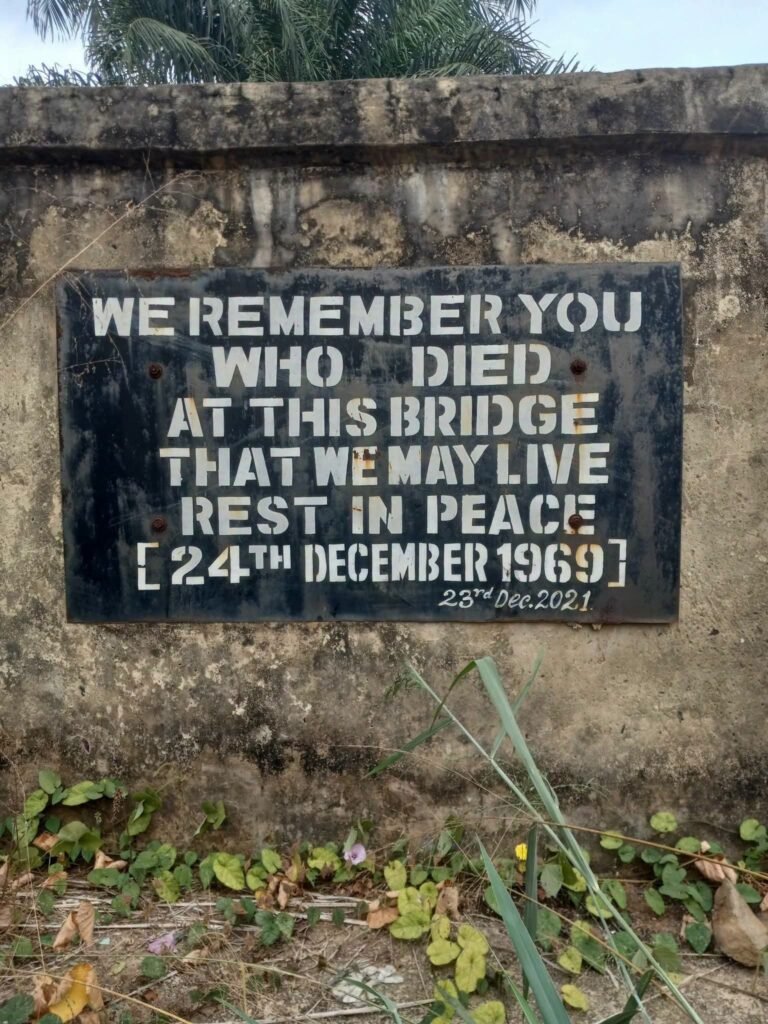
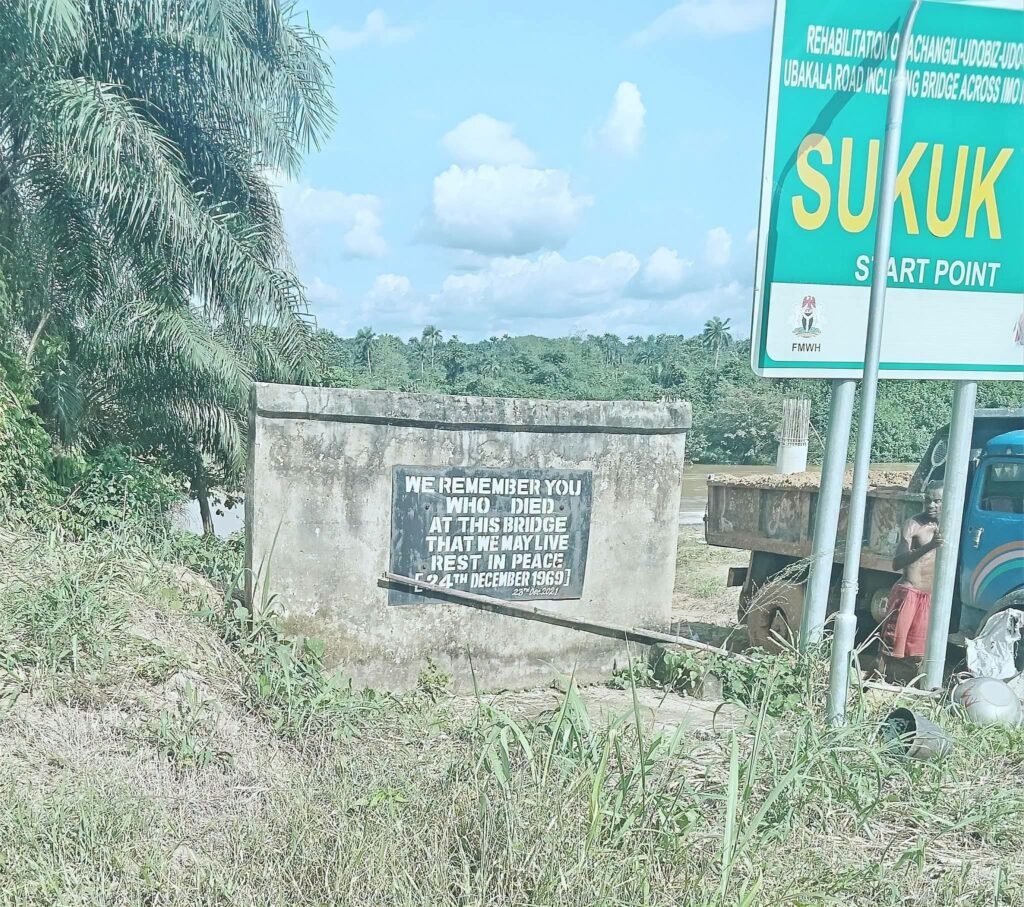
Decades later, the event remains part of the collective memory of the people around the area. Reports about the bridge also describe it as one of the structures damaged during the Civil War, with many people dying there in 1969. A memorial at the foot of the bridge carries the inscription remembering those who died there on 24 December 1969.
The bridge has since been rebuilt, but the memory of what happened here has remained.
Standing by the Imo River and reflecting on the story of that day, I could only imagine the fear and confusion experienced by ordinary people who suddenly found themselves caught in the middle of a war.
More than five decades later, this crossing is more than a bridge connecting communities on both sides of the Imo River. For the people around here, it remains a place that carries a painful memory of the war.
May the souls of those who lost their lives continue to rest in peace. And may the memory of what happened here remind us of the terrible human cost of war.